
April 16: Lisbon, Portugal
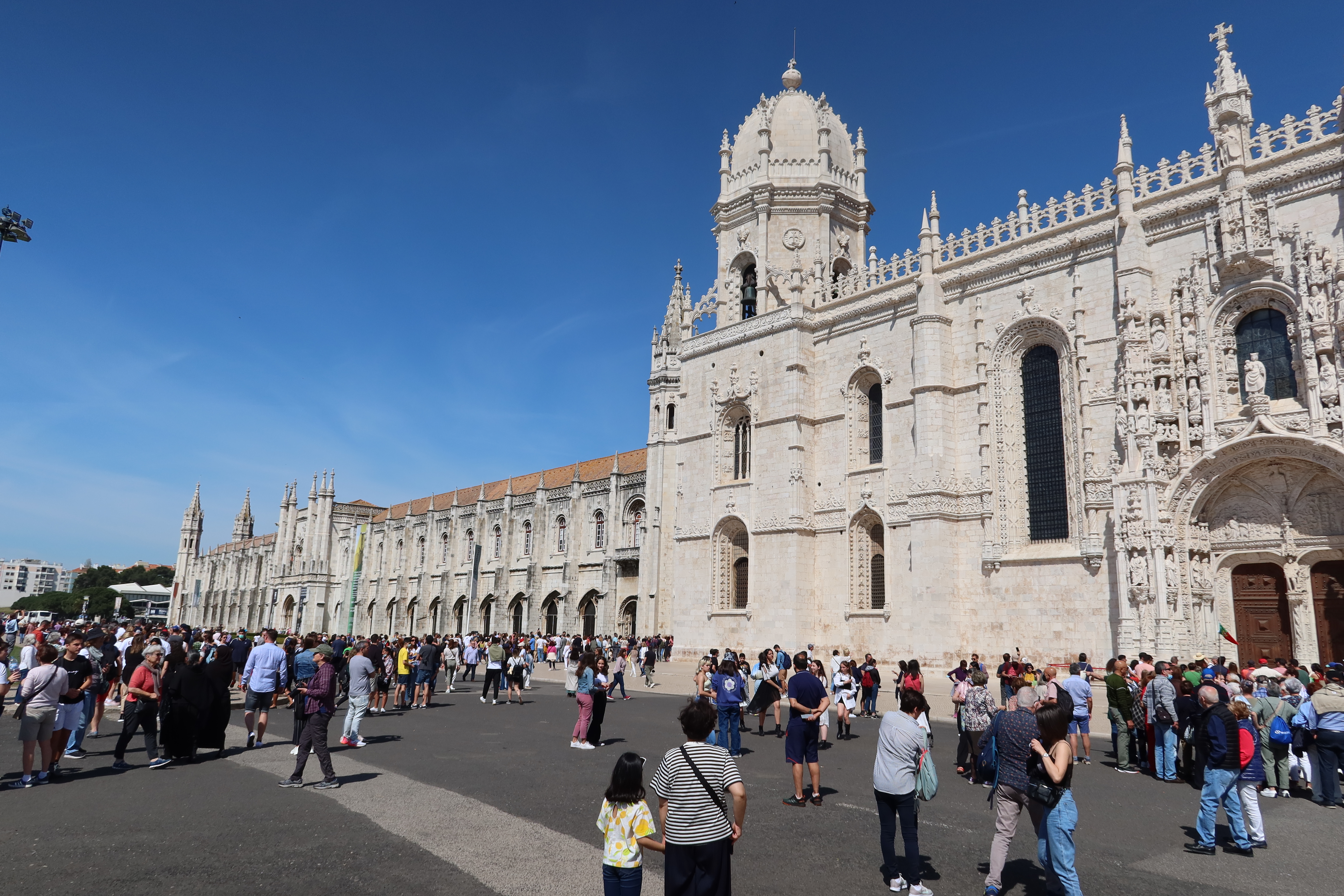
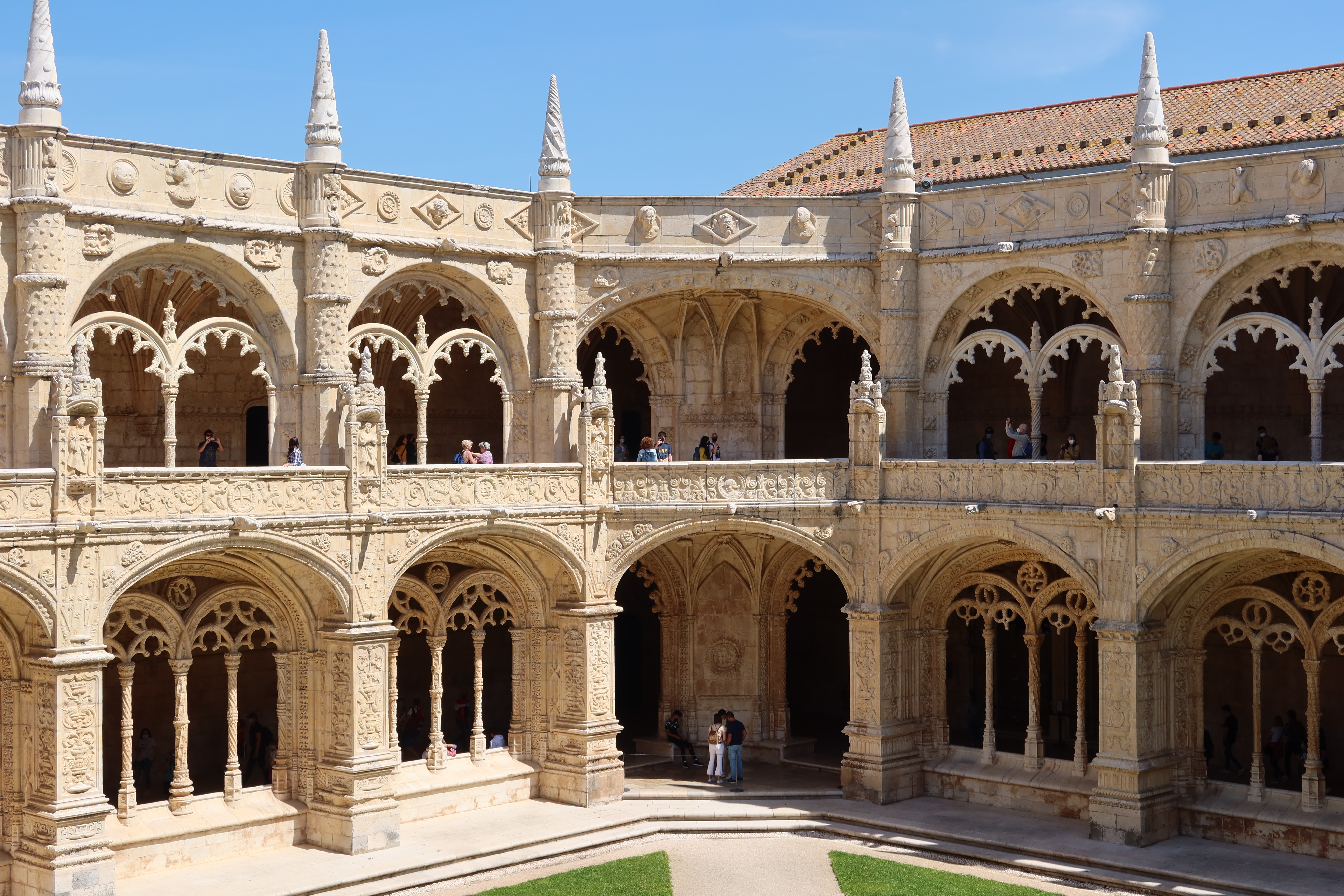
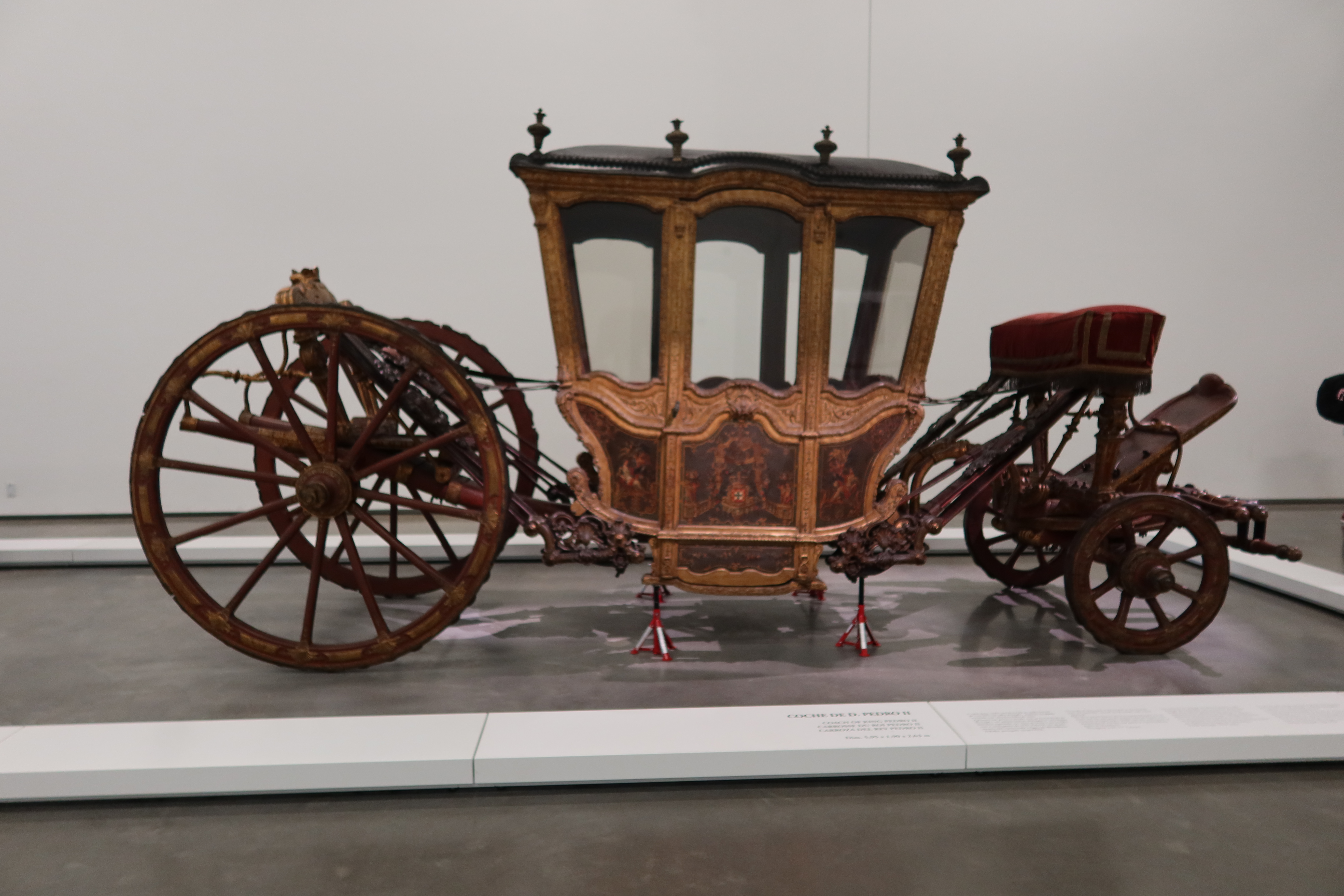
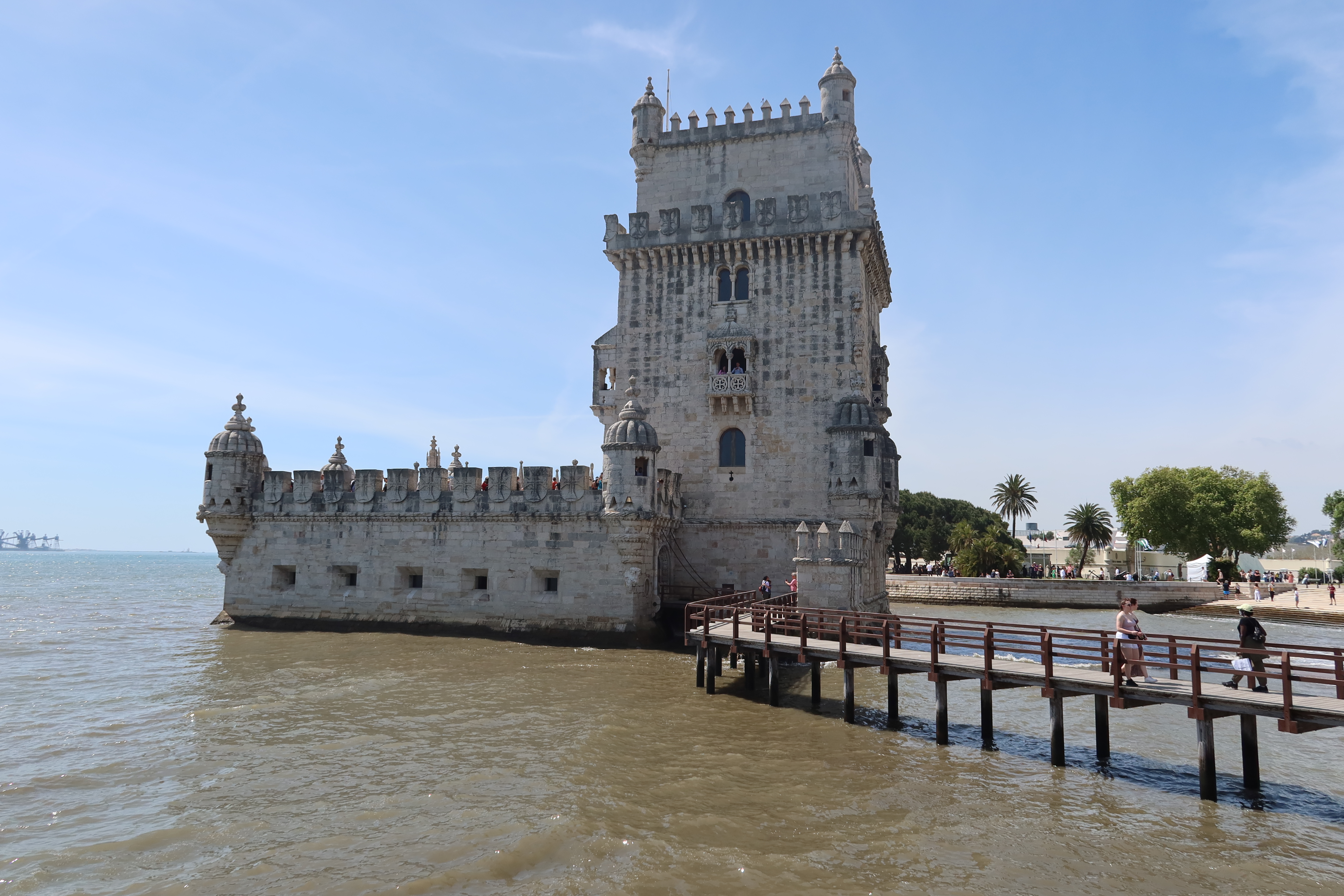
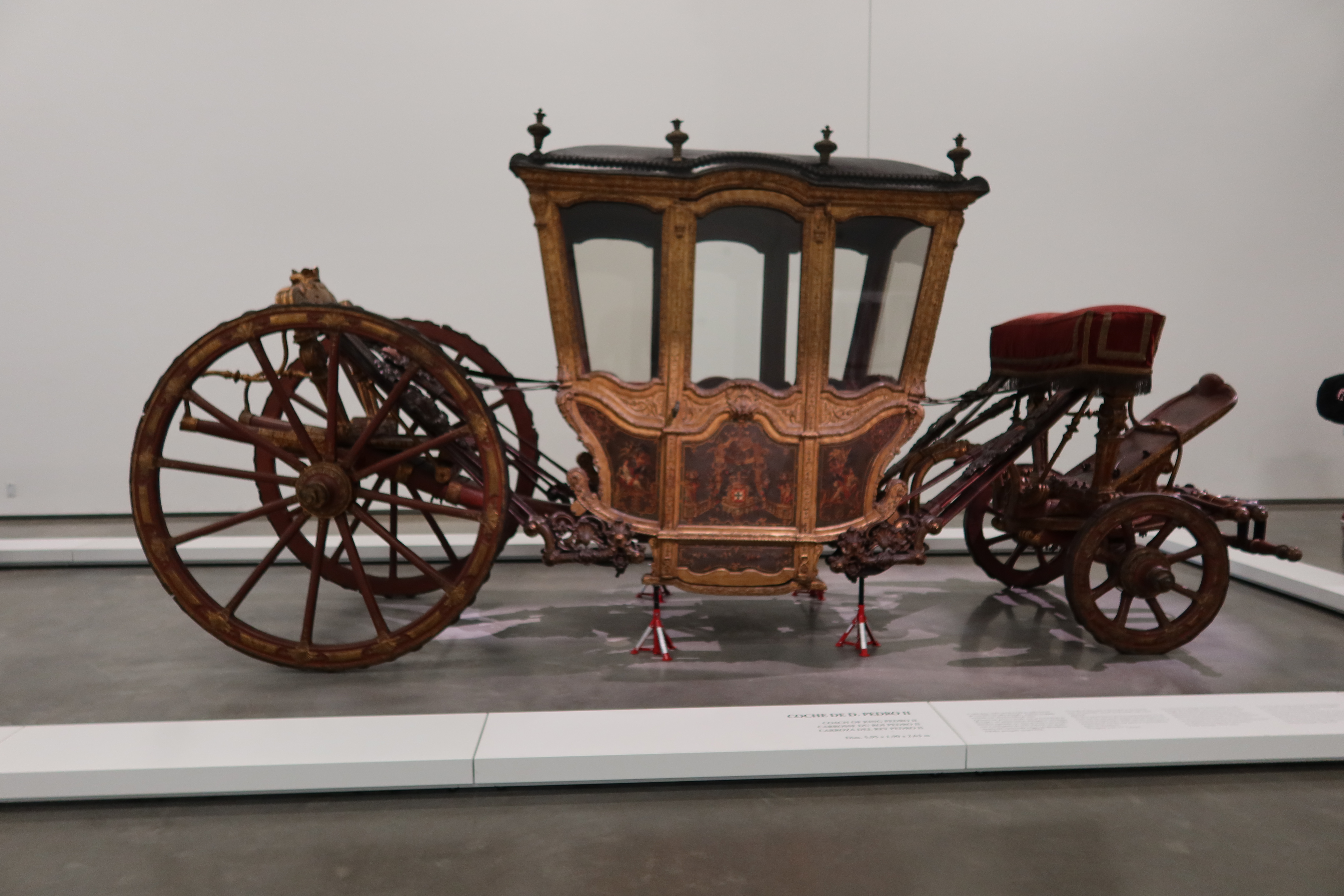
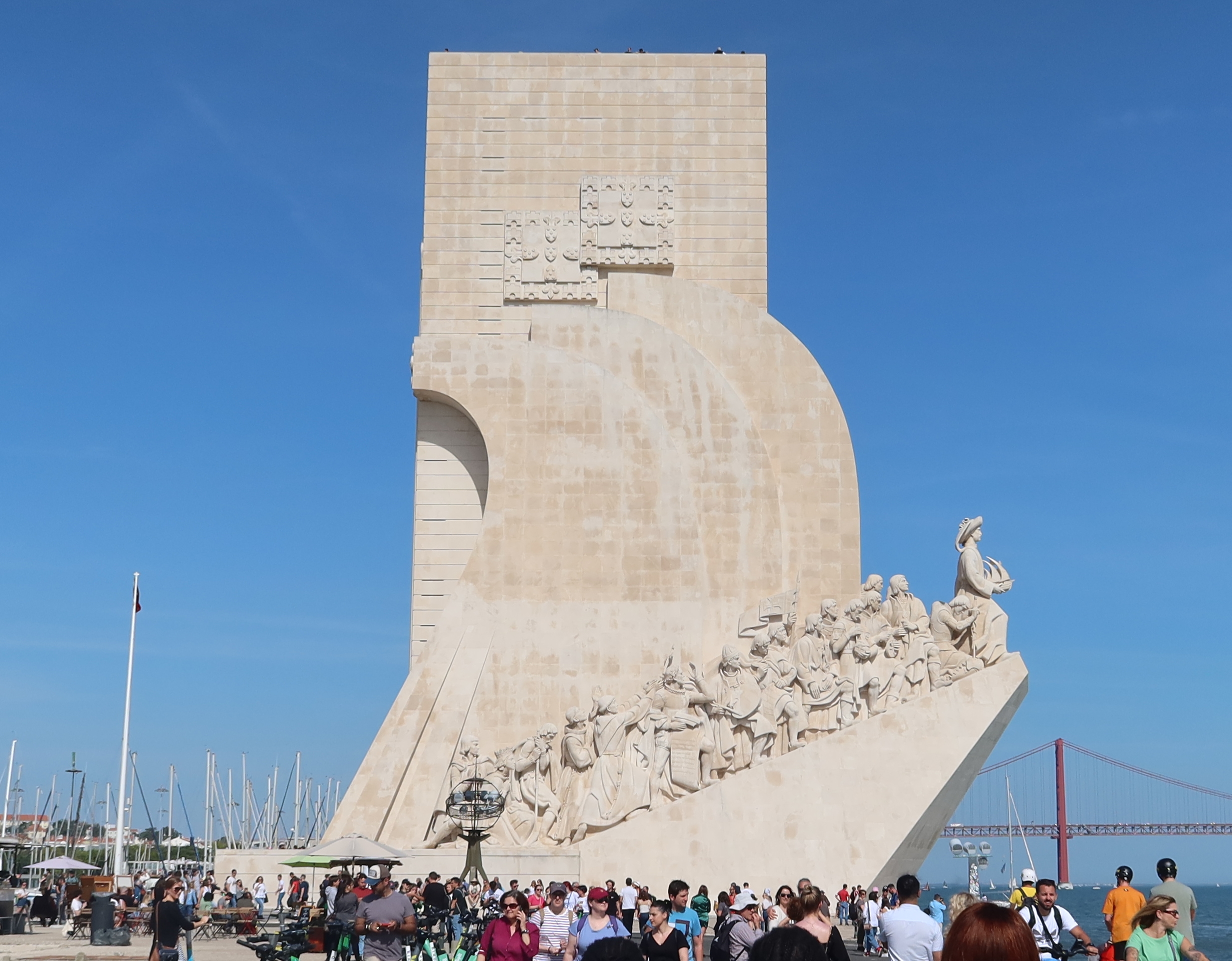
Arrived in Lisbon early this morning with my daughter Kelley. We dropped our luggage at the hotel and headed straight for the Jeronimos Monastery. The monastery was commissioned by King Manuel 1 in 1501 ro trumpet Vasco da Gama’s discovery of a sea route to Indian. It is now a UNESCO World Heritage Site. Amazing! Our lunch was a delicious custard pastry and expresso at Pastries de Belen. Refreshed, we headed for the National Museum of Coaches, a stunning collection of 17th-19th century royal coaches frequently designed to honor a royal birth or wedding. Kelley then climbed the Torre de Belem, another UNESCO World Heritage Site, while I sipped white wine on the bank of the Rio Tejo near the Age of Discoveries monument built to honor the greats of navigation including Vasco da Gama and Henry the Navigator. We finished the evening with an amazing seafood dinner and a good bottle of wine.
April 17: Sintra, Portugal
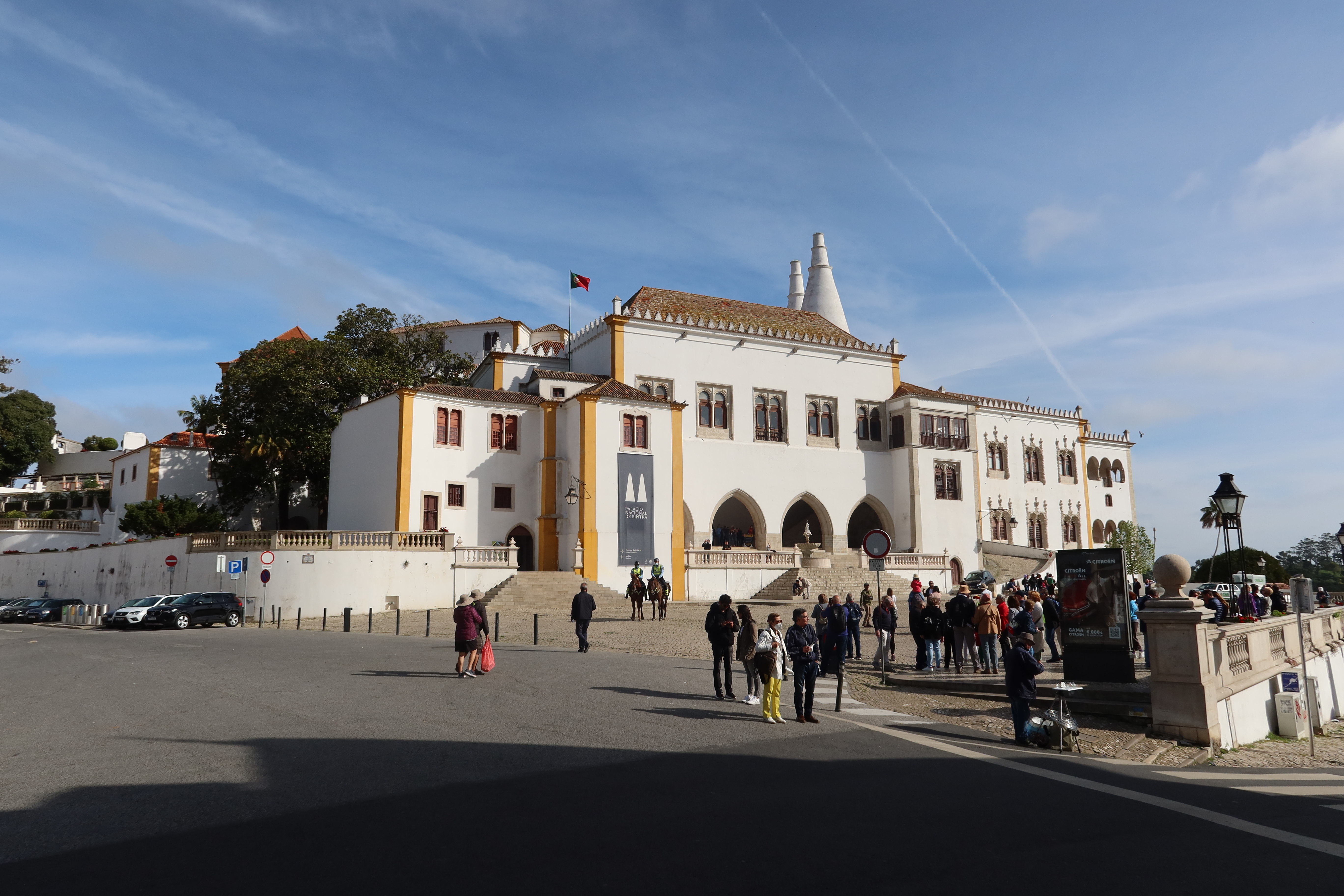
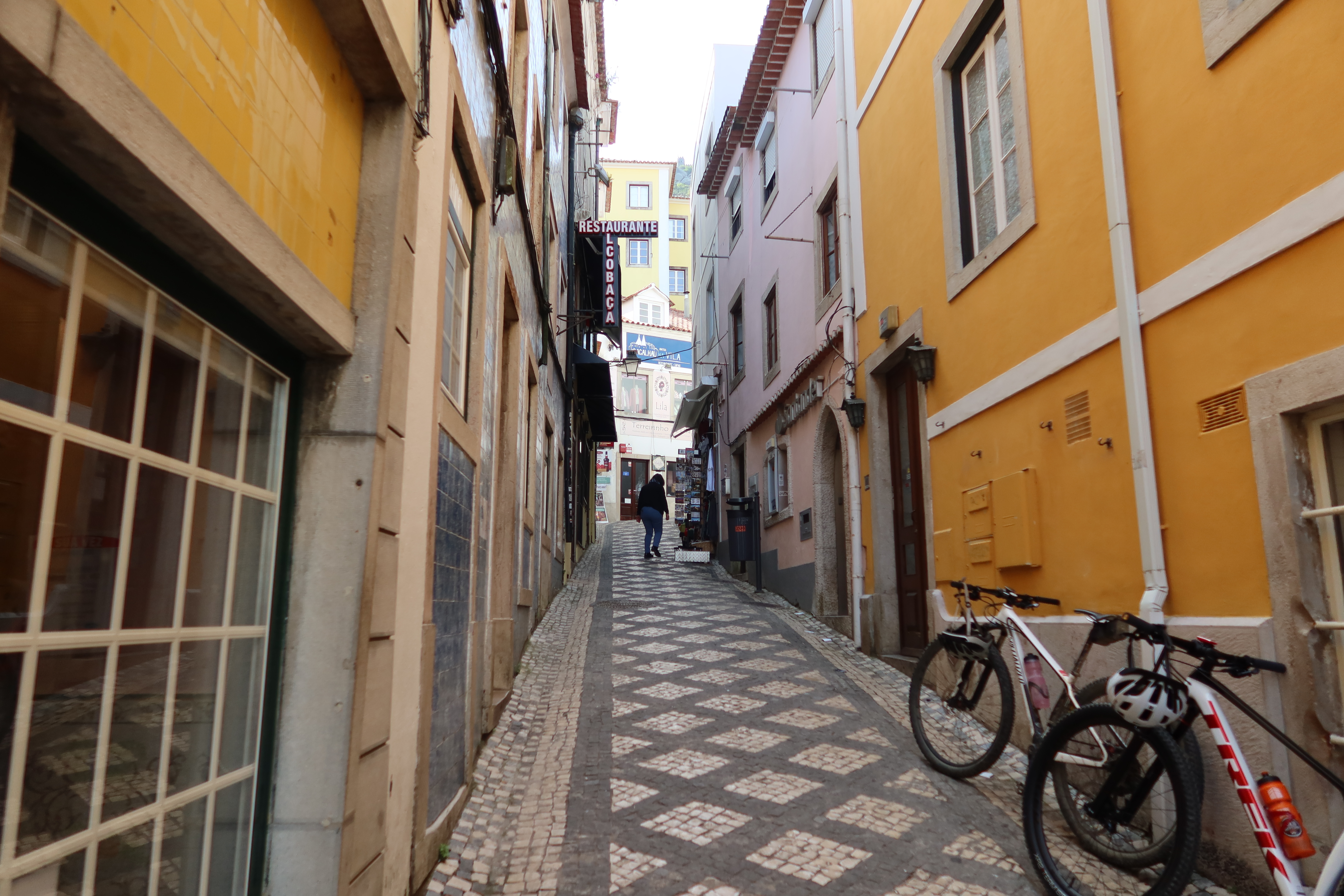
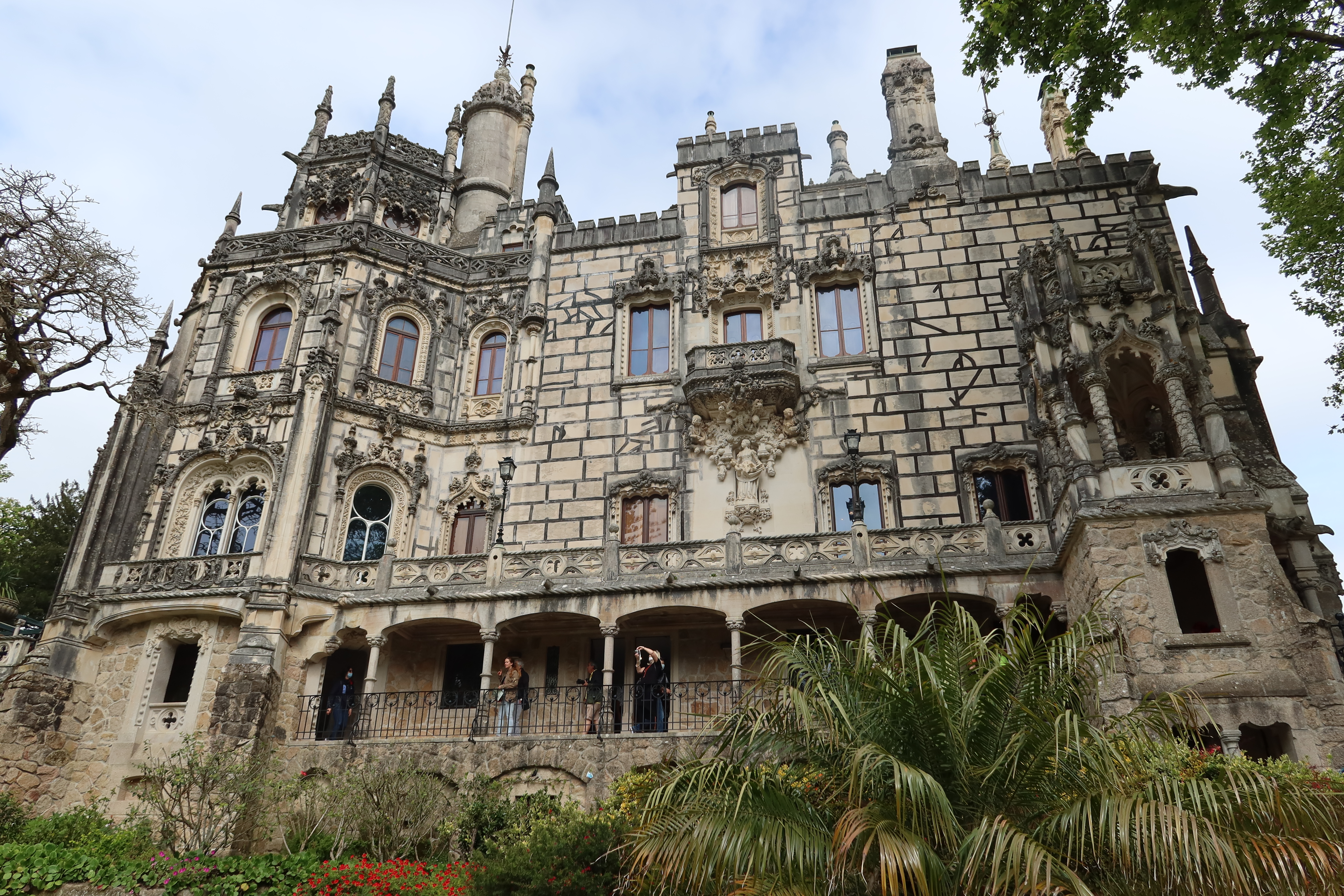
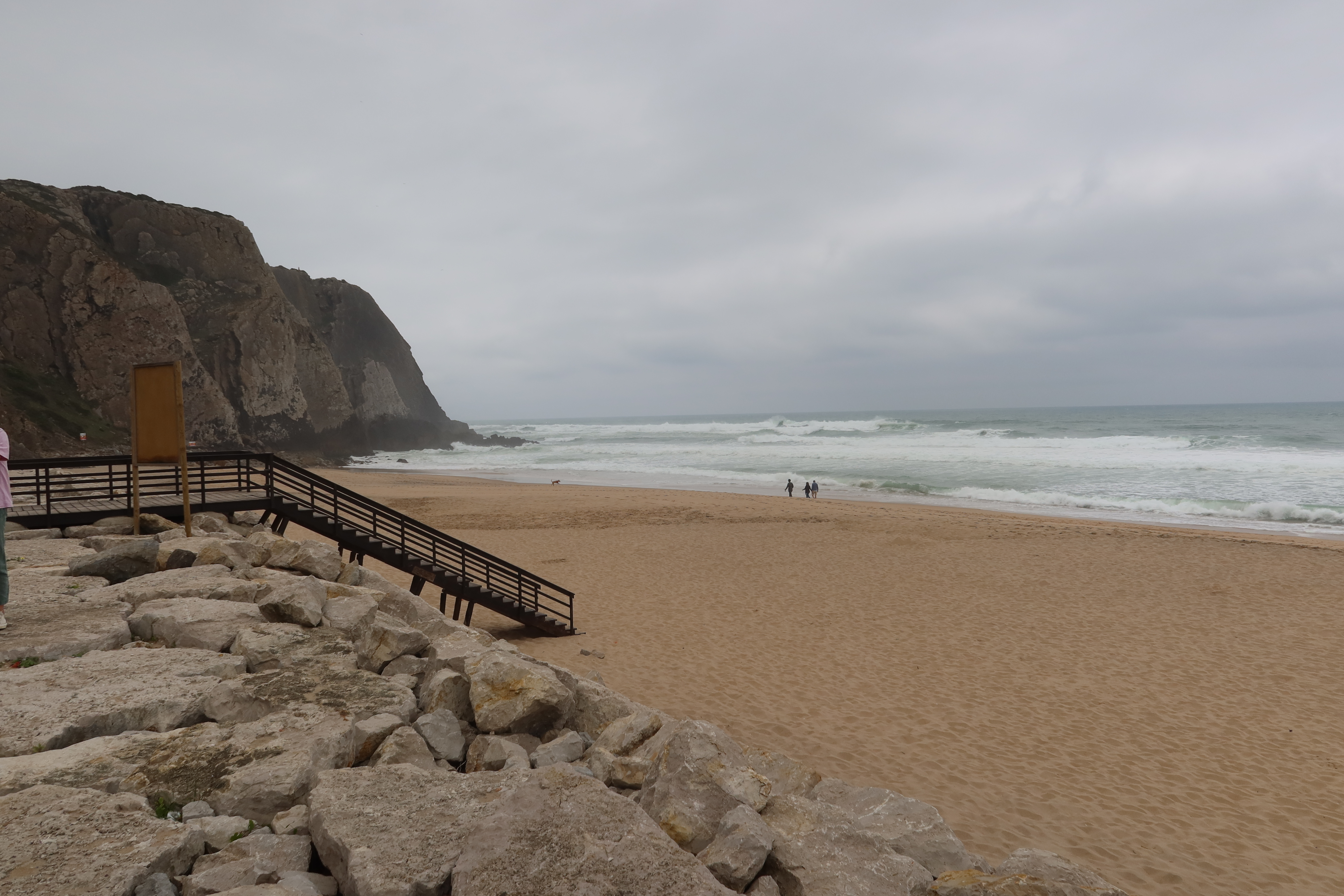
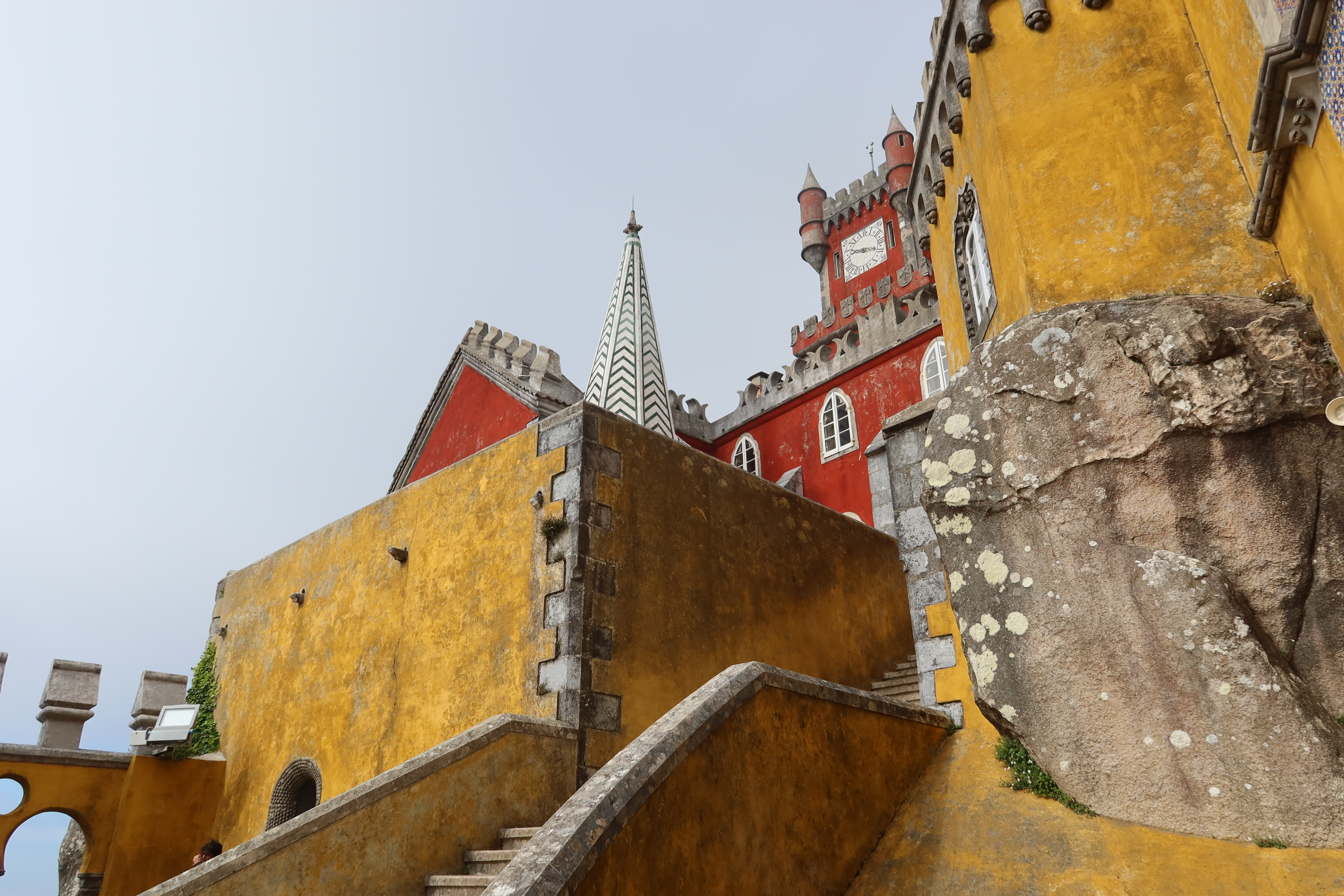
On Easter Sunday, our private guide Frederico, drove us to Sintra about 30 minutes outside Lisbon. Sintra is the site of multiple palaces, and the village and palaces together are a UNESCO World Heritage site listed as “Sintra-Villa cultural landscape”. We started our tour at the National Palace which is of moorish origins and was later expanded in the 1200’s and again in the 1400’s. After delicious pastry at Piriquita, we explored the small village of Sintra. Our next stop was the Quinta da Regaleira, a palace designed by the Italian architect, Luigi Manini, for the Brazilian coffee tycoon Antonio Carvalho Monteiro. The house and the amazing gardens are filled with Knights Templar symbols as well as mythological and navigational references. We lunched by the ocean with a traditional Easter meal of lamb and a local wine from the Colares region. Our next stop was Cabo de Roca, the western most point in Europe where it was very windy. The afternoon was spent wandering Pena Palace which is a crazy mix of onion domes, Moorish keyhole gates, stone snakes and gargoyles and towers brightly colored in reds, pinks, yellows and purples. At the end of a very long day, we were dropped at our hotel and finished the evening with another amazing seafood dinner and a great bottle of wine.
April 18: Lisbon Portugal
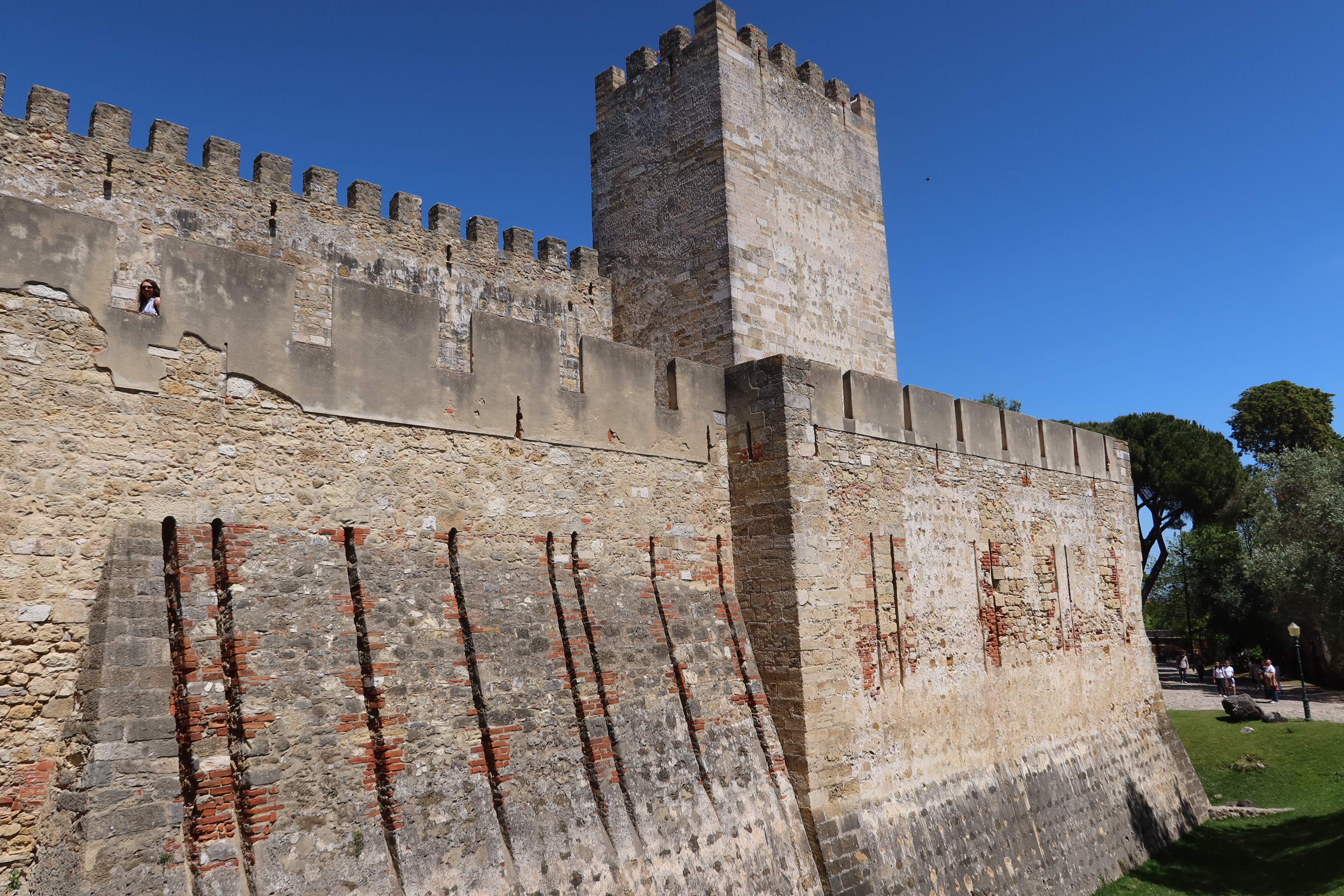
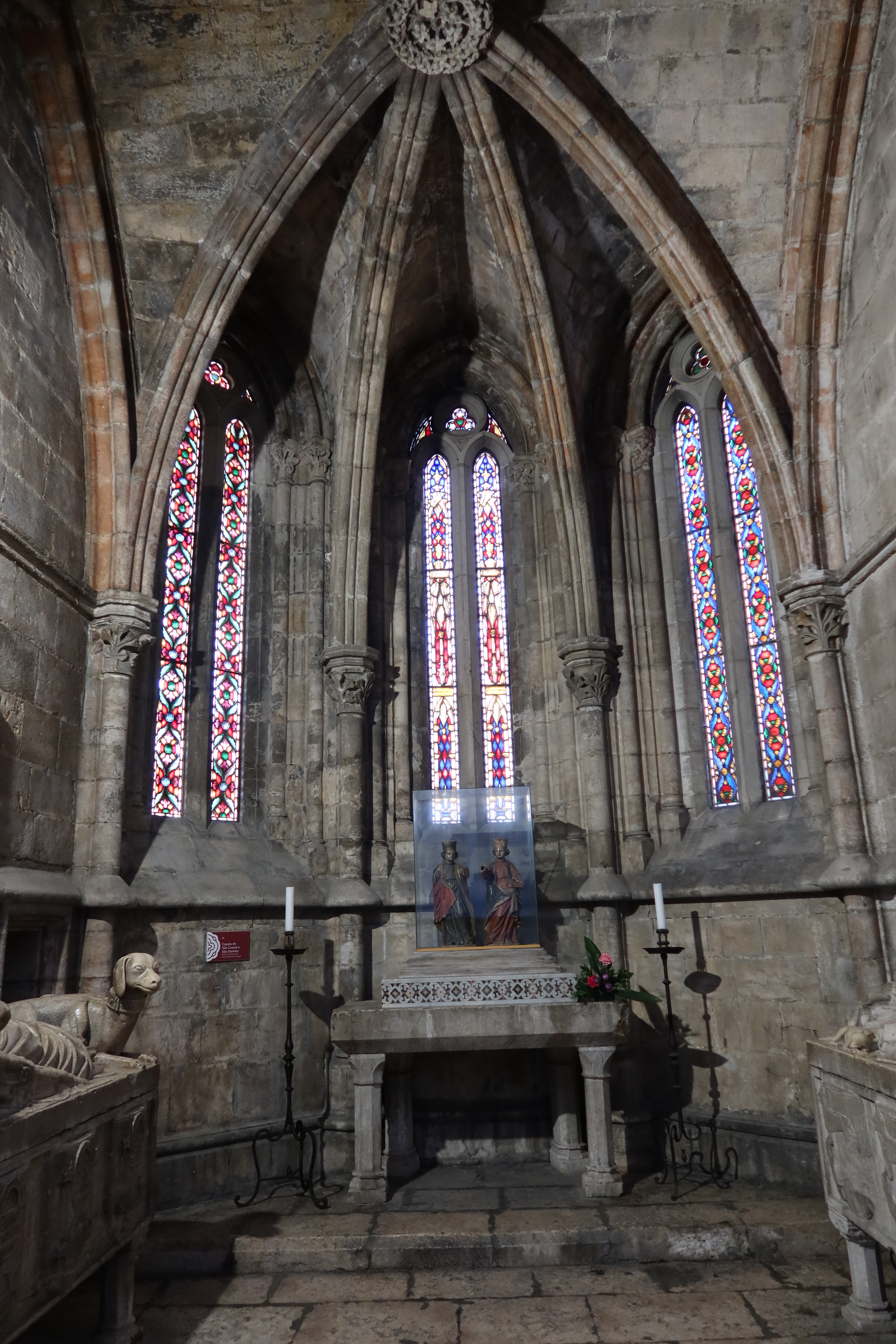
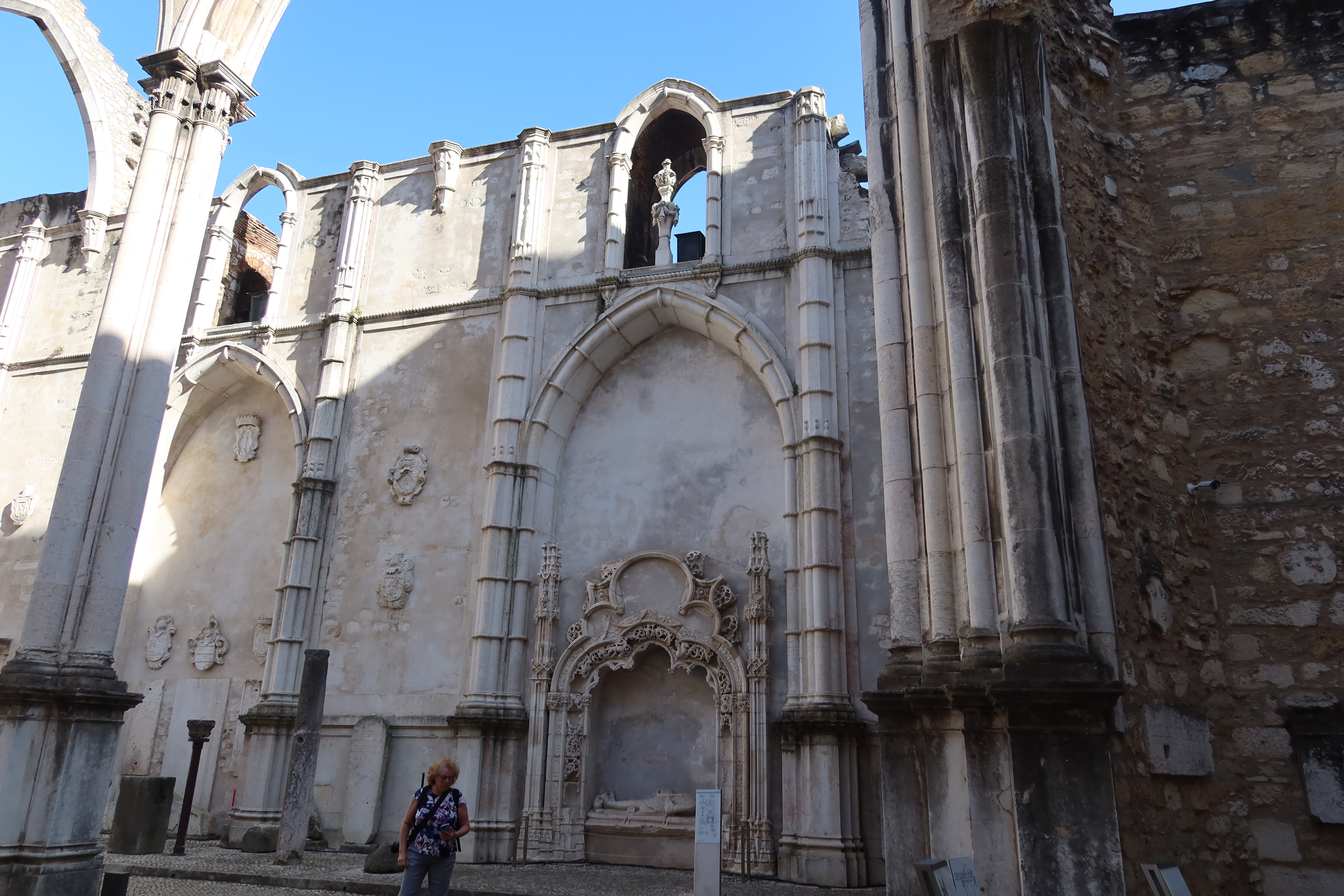
We spent our last day in Portugal exploring more of Lisbon. The Praco de Comercia is the gateway to Lisbon for anyone arriving from the sea. The Arco de Rua Augusta Triumphal Arc was built in the wake of the 1755 earthquake. On November 1, 1775, three major earthquakes hit Lisbon followed by fires and a tsumani. Much of the city was destroyed and it is estimated that 90,000 of Lisbon’s 270,000 inhabitants died. Castelo Sao Jorge dates to the mid-11th century when the Moors ruled Lisbon. Lisbon was conquered by the Christian crusaders in 1147. The Se de Lisboa Cathedral was built in 1150 on the site of a muslim mosque. It is a UNESCO World Heritage Site. The Convento do Carmo still stands without the roof that collapsed on its worshippers during the earthquake. Elevador de Santa Justa is a vertical street lift built in 1902 that still operates.

April 19: Madrid, Spain
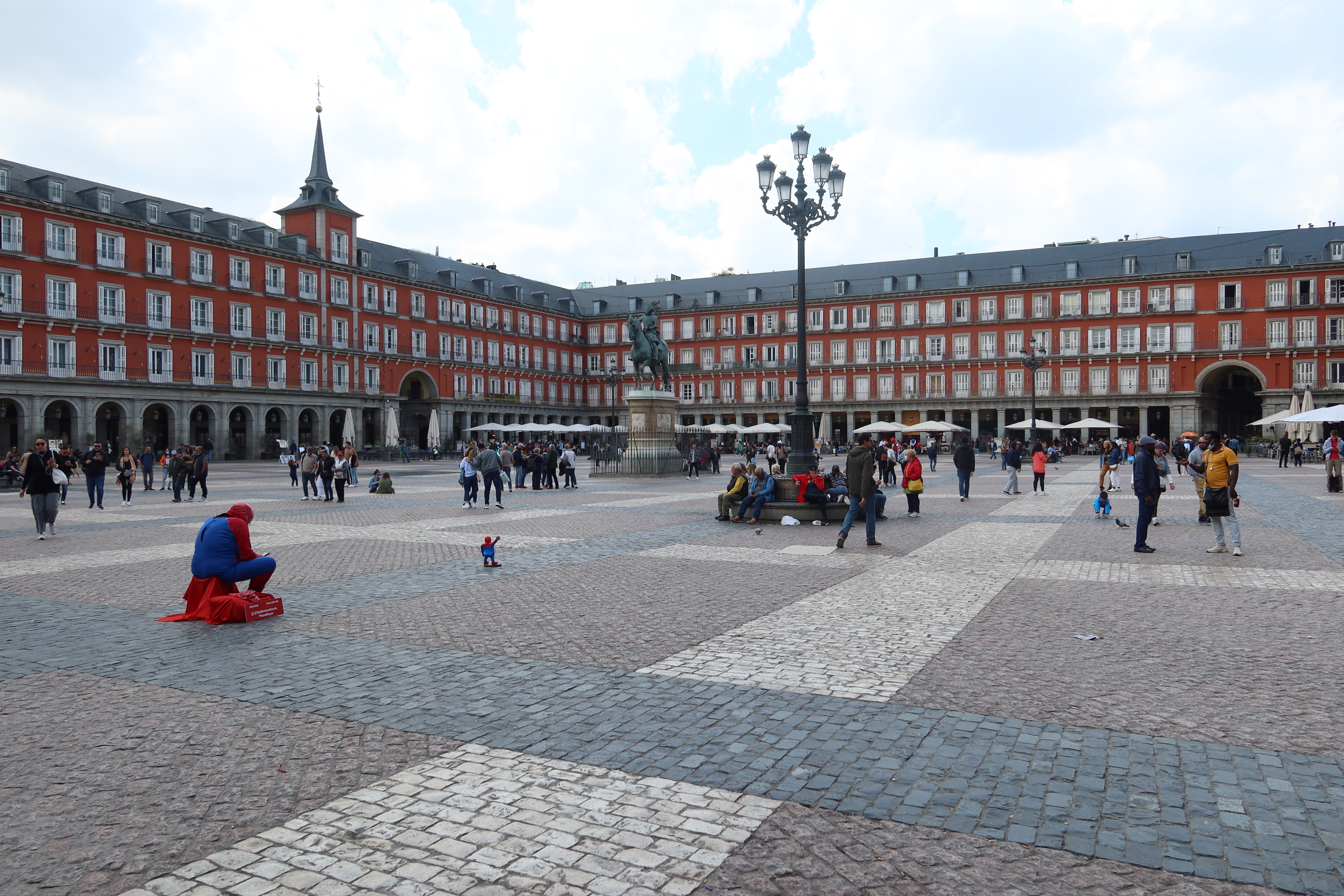
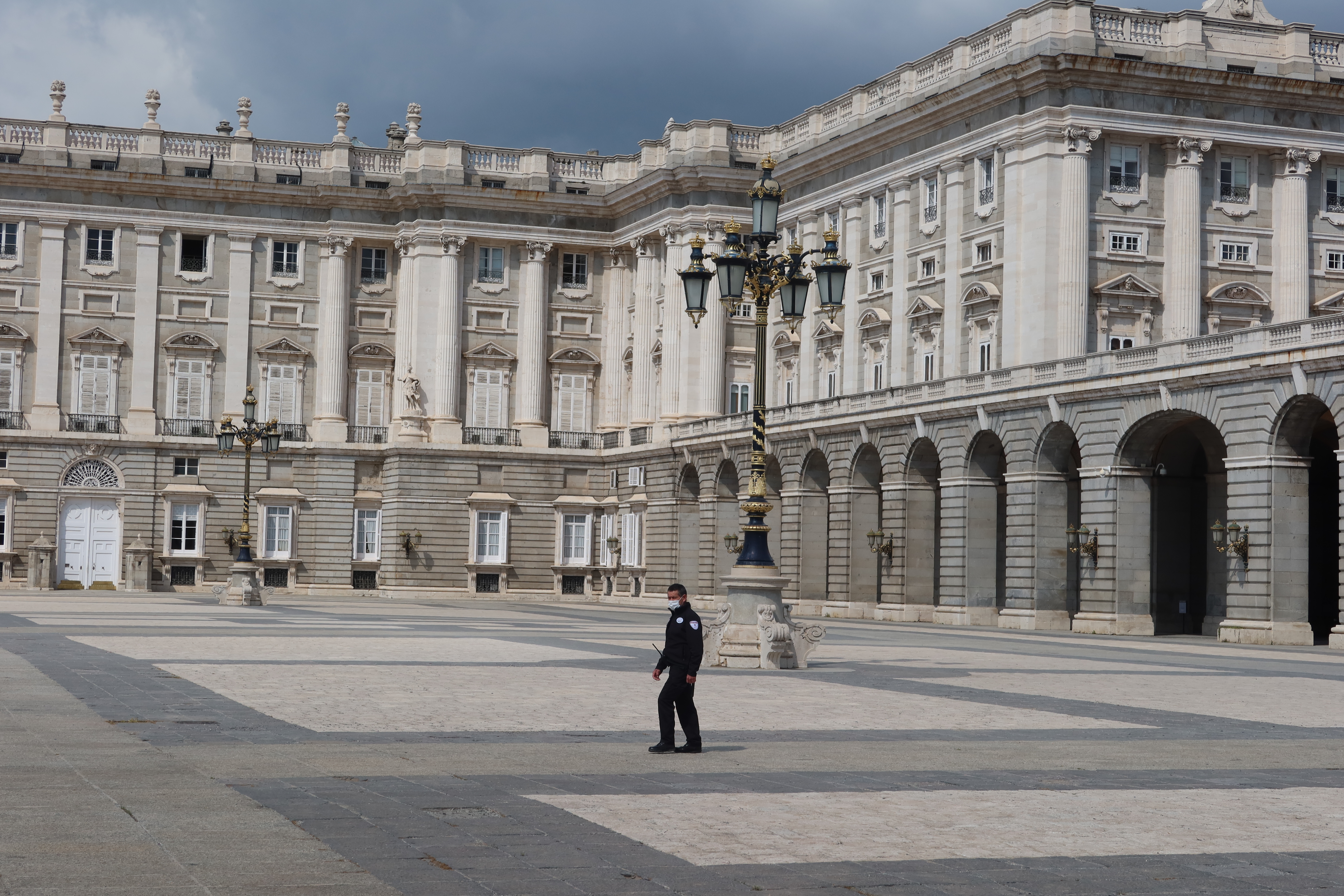
Arrived in Madrid early afternoon. We walked to Plaza Mayor which dates back to the rule of the Habsburgs in the 16th century. There are 237 wrought-iron balconies from which generations of royalty watch public executions, bullfights and aristocratic duels. The Royal Palace, modeled after the Versailles in France, was closed for visiting dignitaries. This evening we met our tour group to begin our Friendly Planet group tour of Spain.
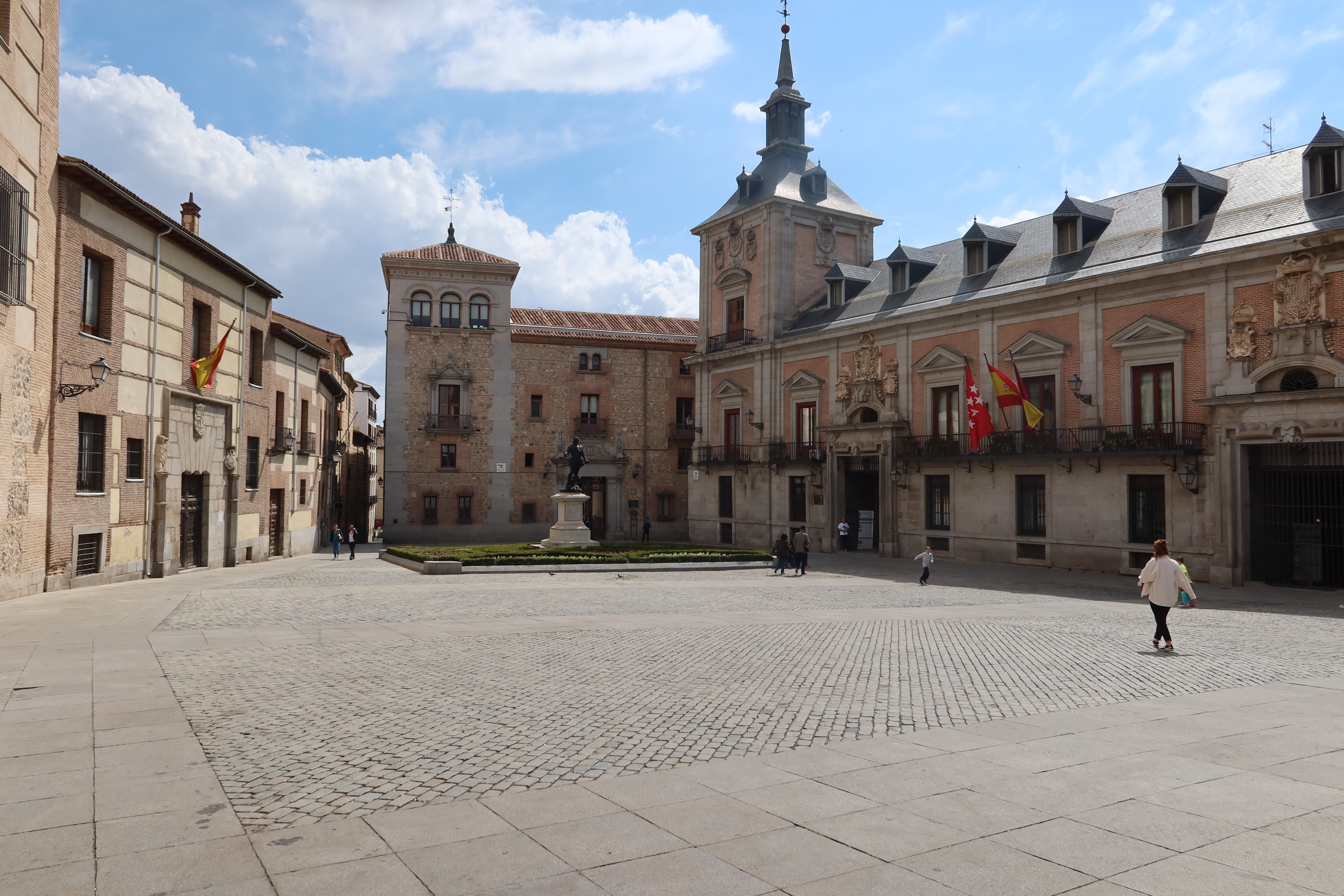
April 20: Madrid Spain
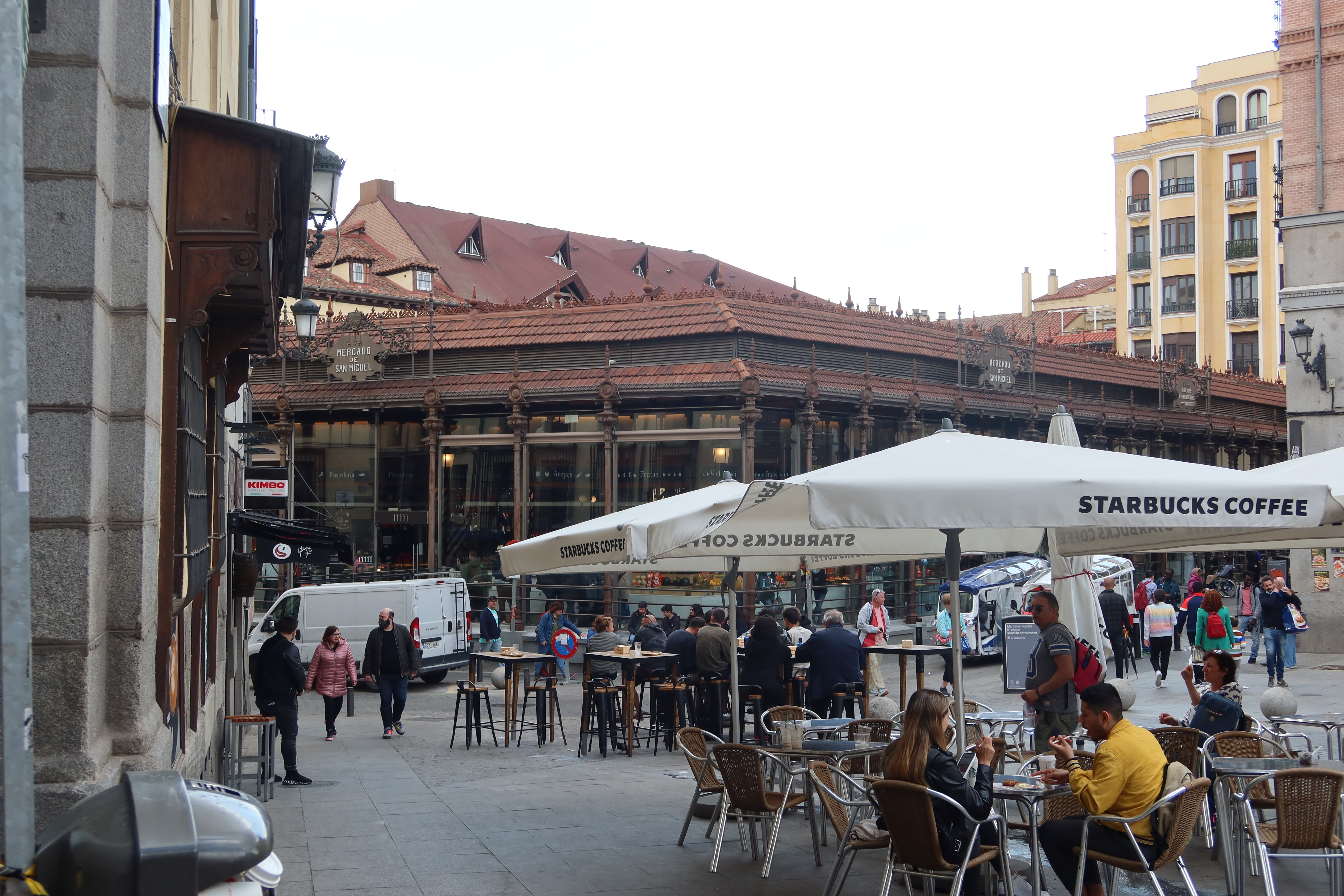
Spent the morning at the Prado Art Museum. We drove by the Madrid bullfighting ring which is no longer used, then spent the rest of the afternoon drinking wine in the Mercado de San Miguel market with two college students from Germany. After another great dinner, we walked to the Egyptian Temple in the park which had been rescued from Egypt when the Aswan Dam was built and the area was flooded.

April 21: Road trip from Madrid to Toledo, then Castillo-LaMancha
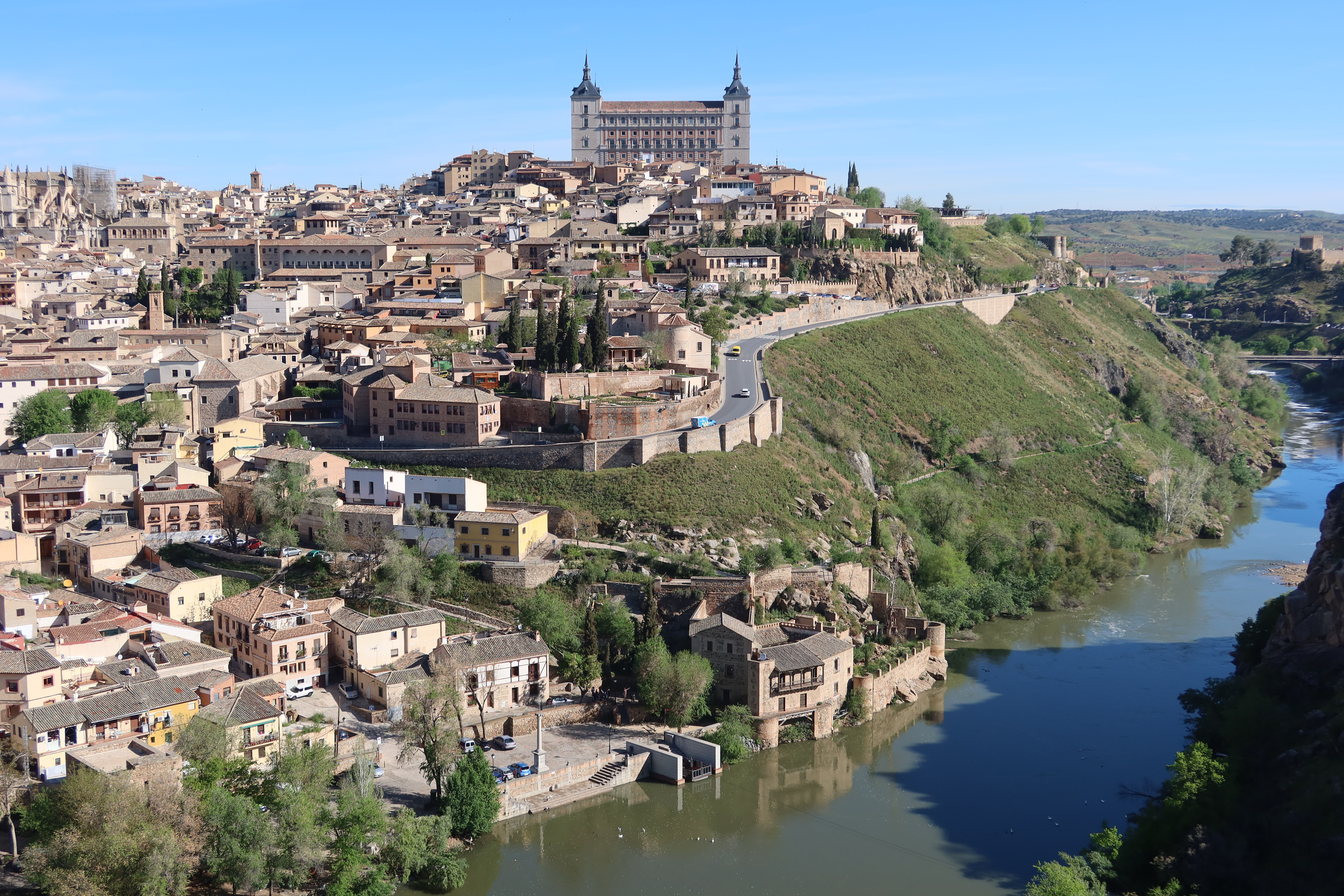
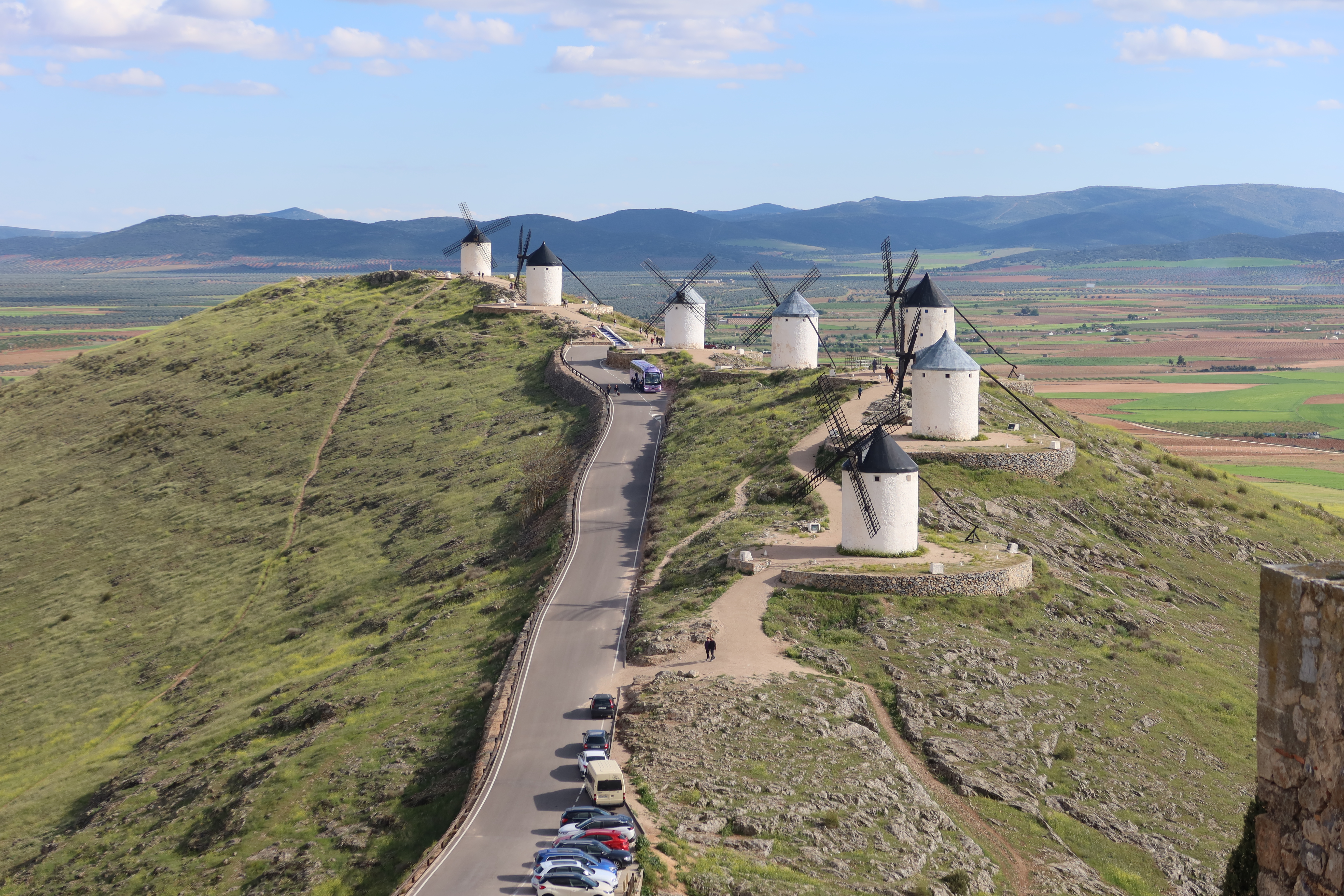
Toledo was the first capital of the Spanish Empire and is now a UNESCO World Heritage Site. Dramatically situated on the top of a gorge overlooking the Rio Tajo, Toledo is known as the city where in the Middle Ages three cultures peacefully co-existed: Christian, Muslim and Jewish. We visited the Church of St. Toma, the old Jewish quarter and the Cathedral de Toledo. We then had a hands-on experience of making a pastry specialty, Marzipan. Toledo is also famous for making swords. I purchase a paring knife. LOL. Then, it was on to the windmills in La Mancha made famous by Don Quixote where we had a wonderful feast of Manchego cheese and wine in a windmill. That night we stayed in a fabulous hotel, Hotel La Caminera Club de Campo, which was in the middle of nowhere.
April 22: Cordoba, Baena and Granada
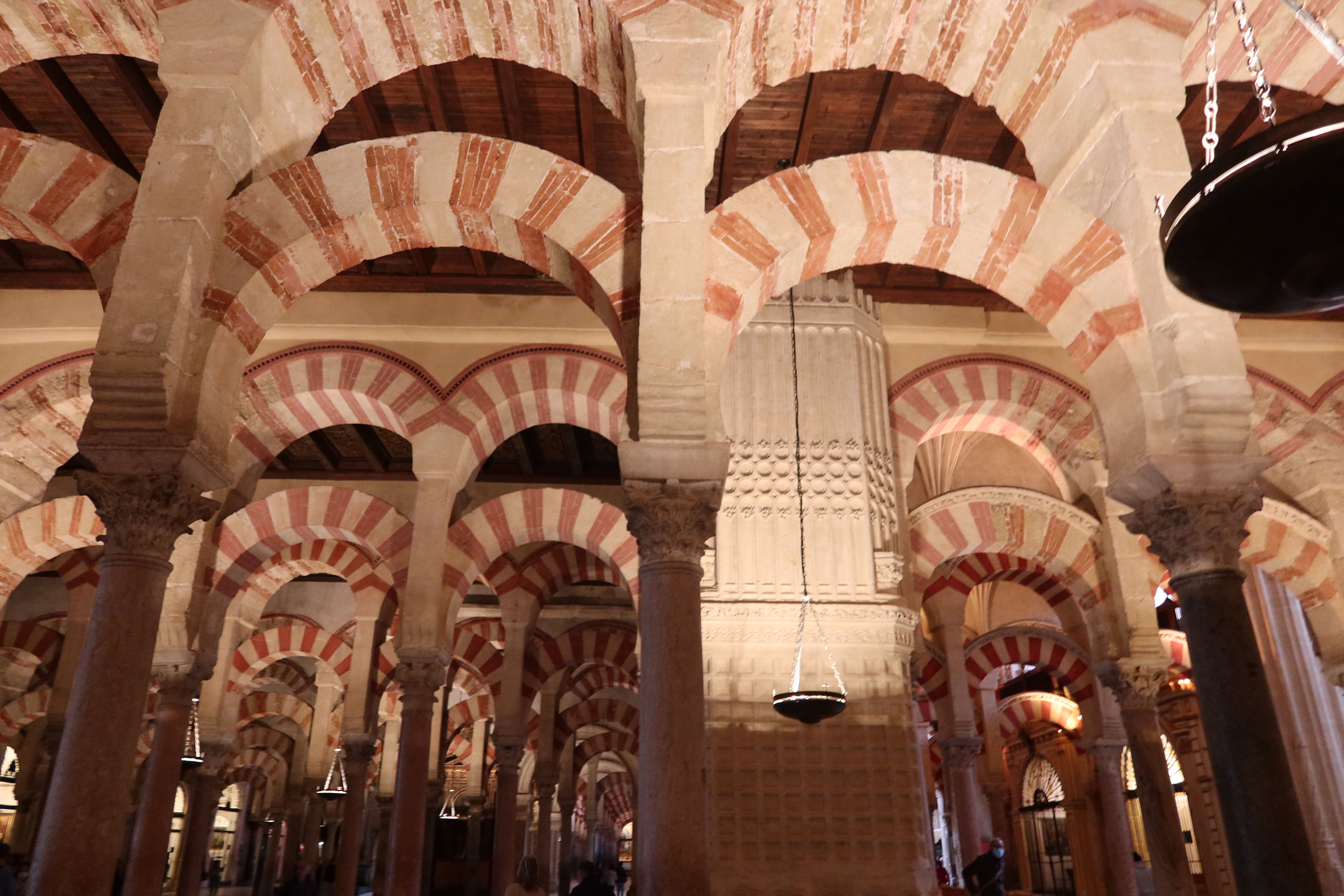
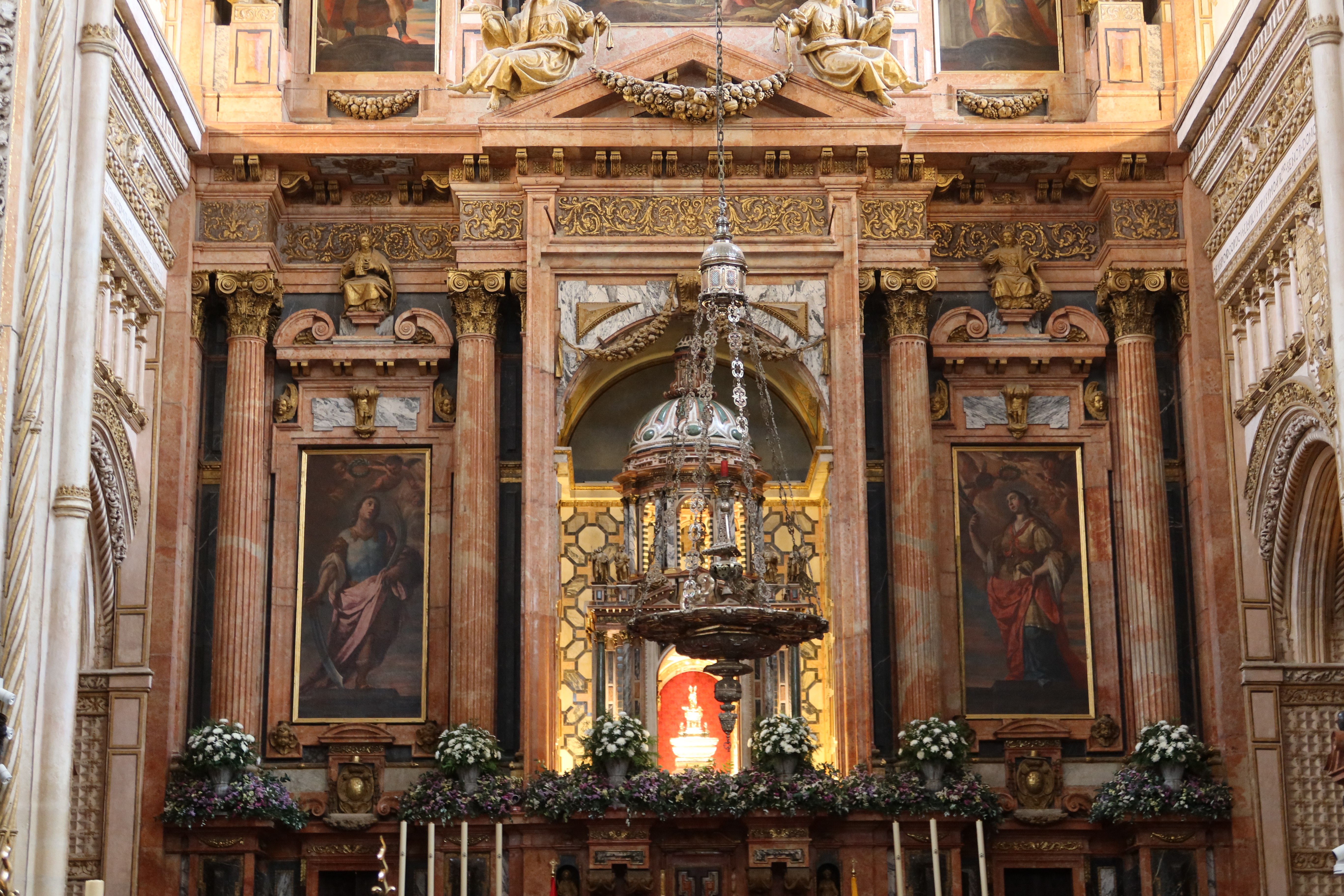
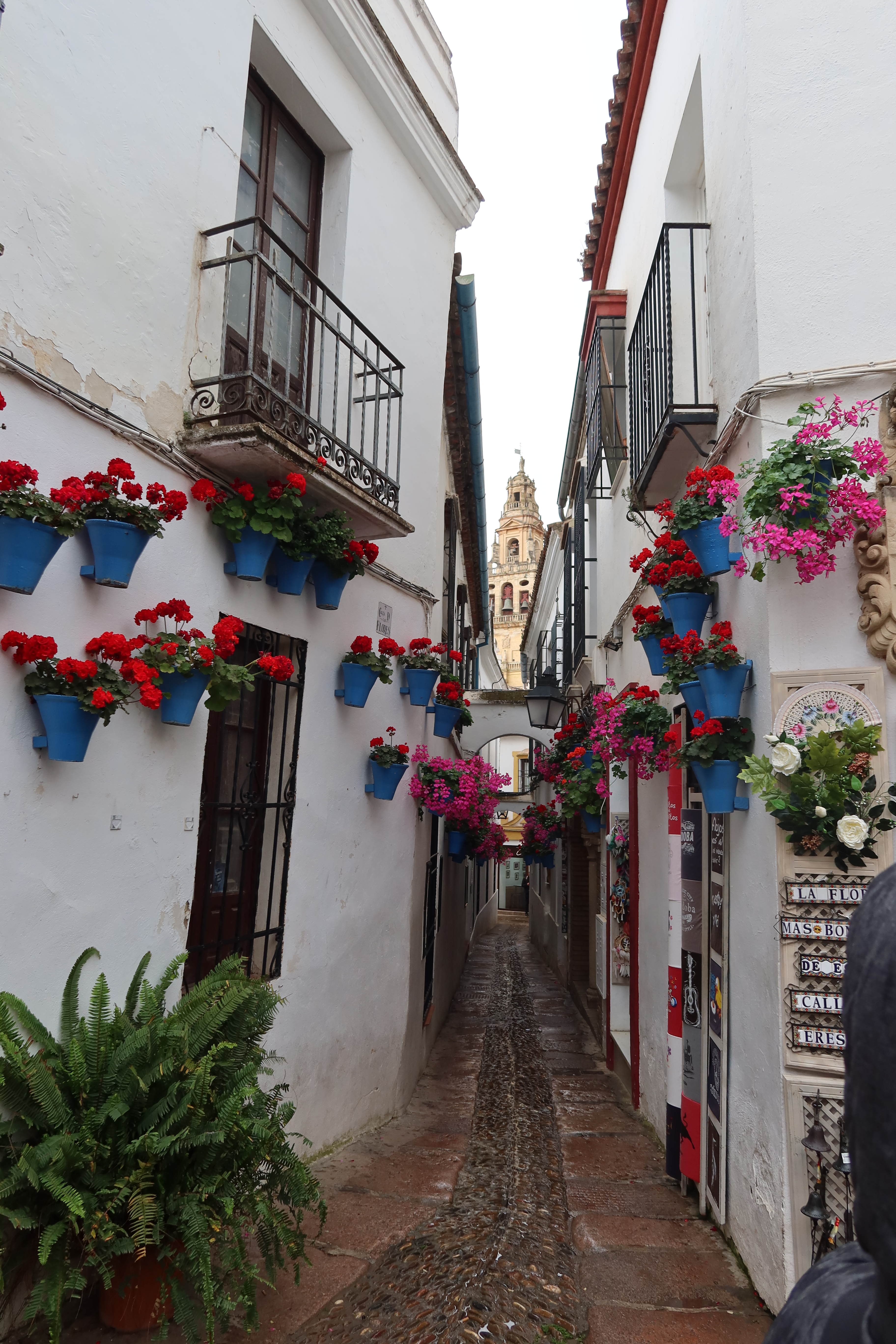
The astounding multi-arched Mezquita in Cordoba is a UNESCO World Heritage Site and is recognized as being one of the world’s greatest Islamic buildings. When the Christians conquered the Muslims in the 16th century, they preserved this medieval mosque built in the 8th century, rather than destroying it, and simply built a new Christian cathedral in one wing of the original mosque. We toured a winery in the Motilla-Moriles region and a fifth generation owned olive oil mill in Baena.
April 23: Granada, Ronda and Seville
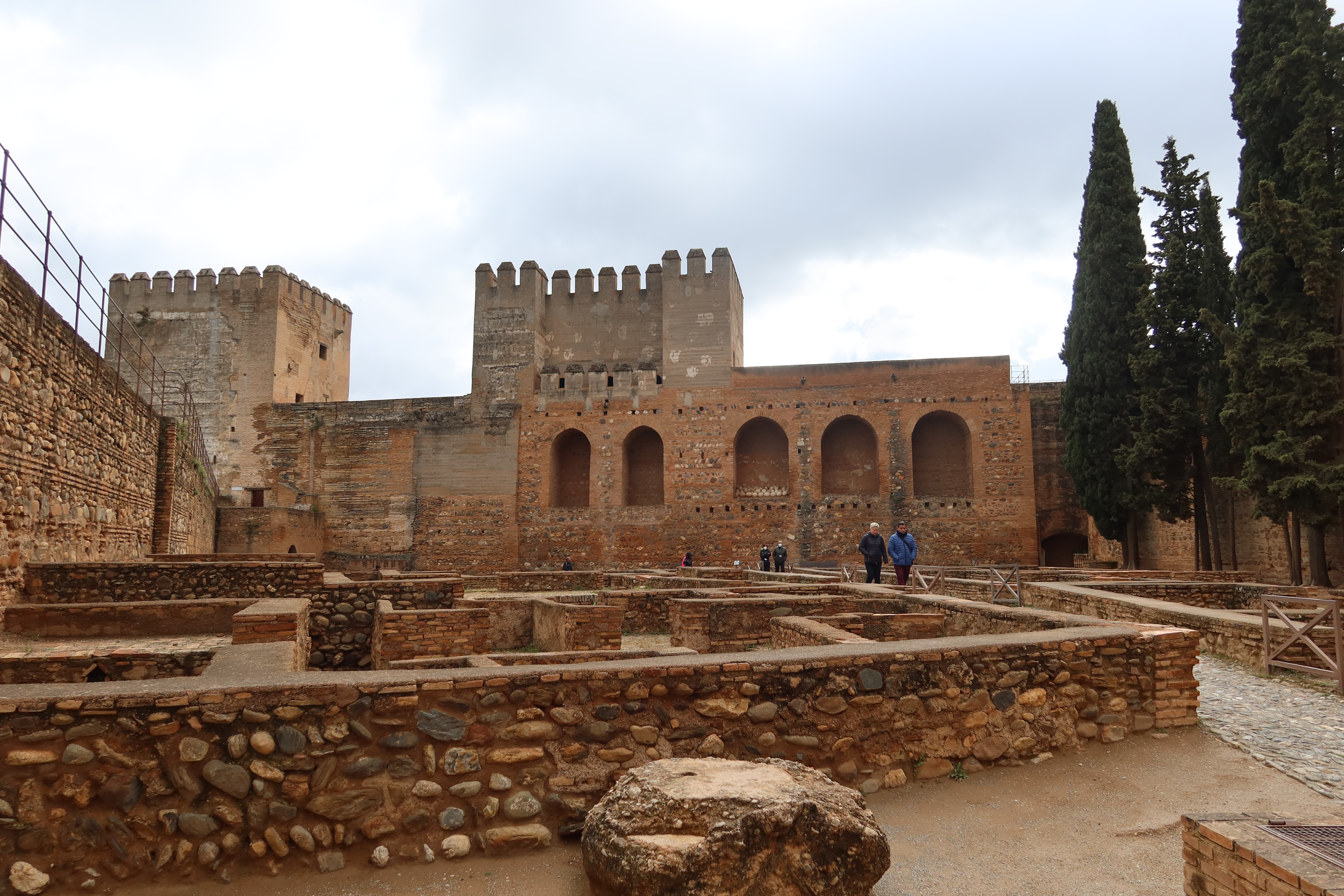
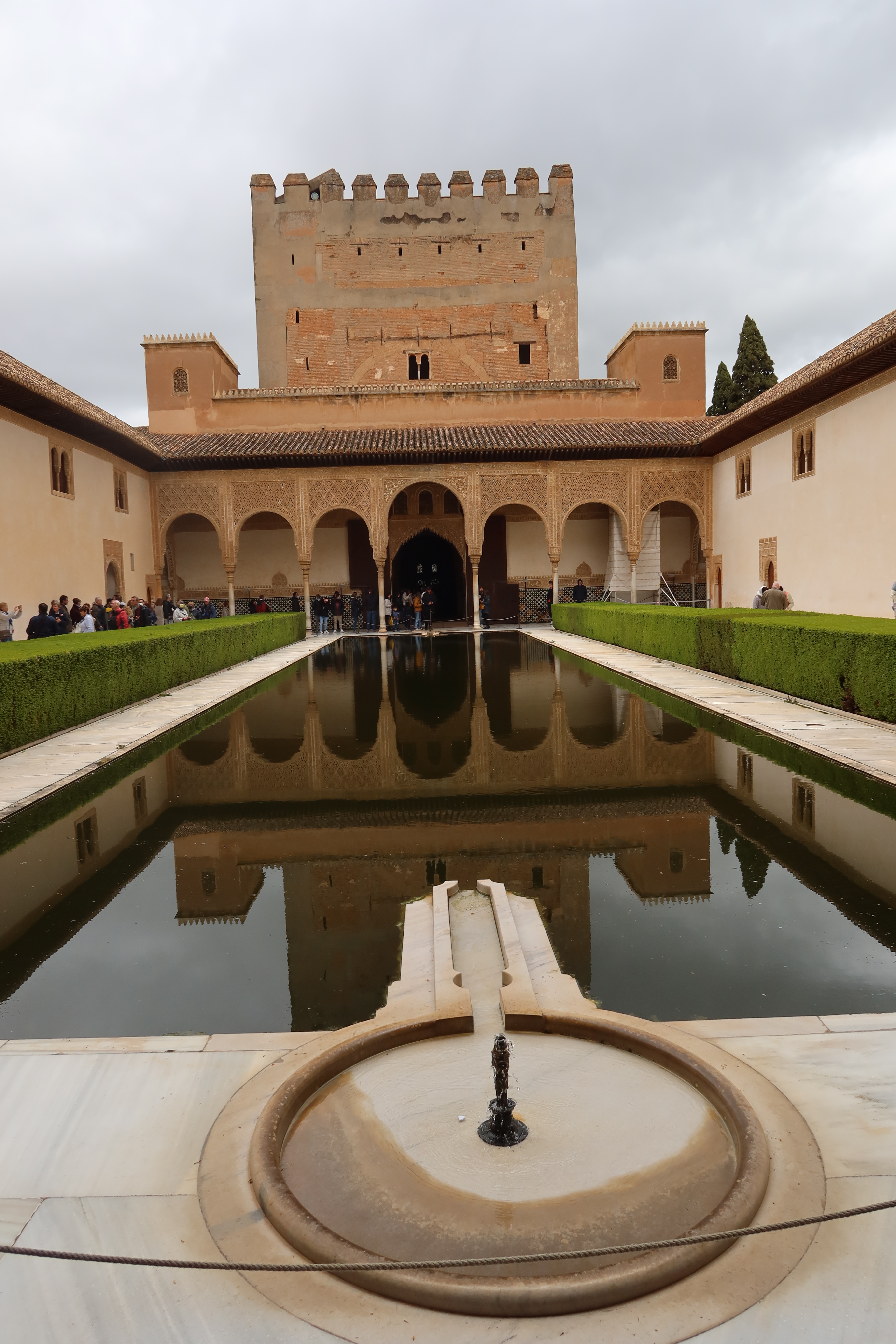
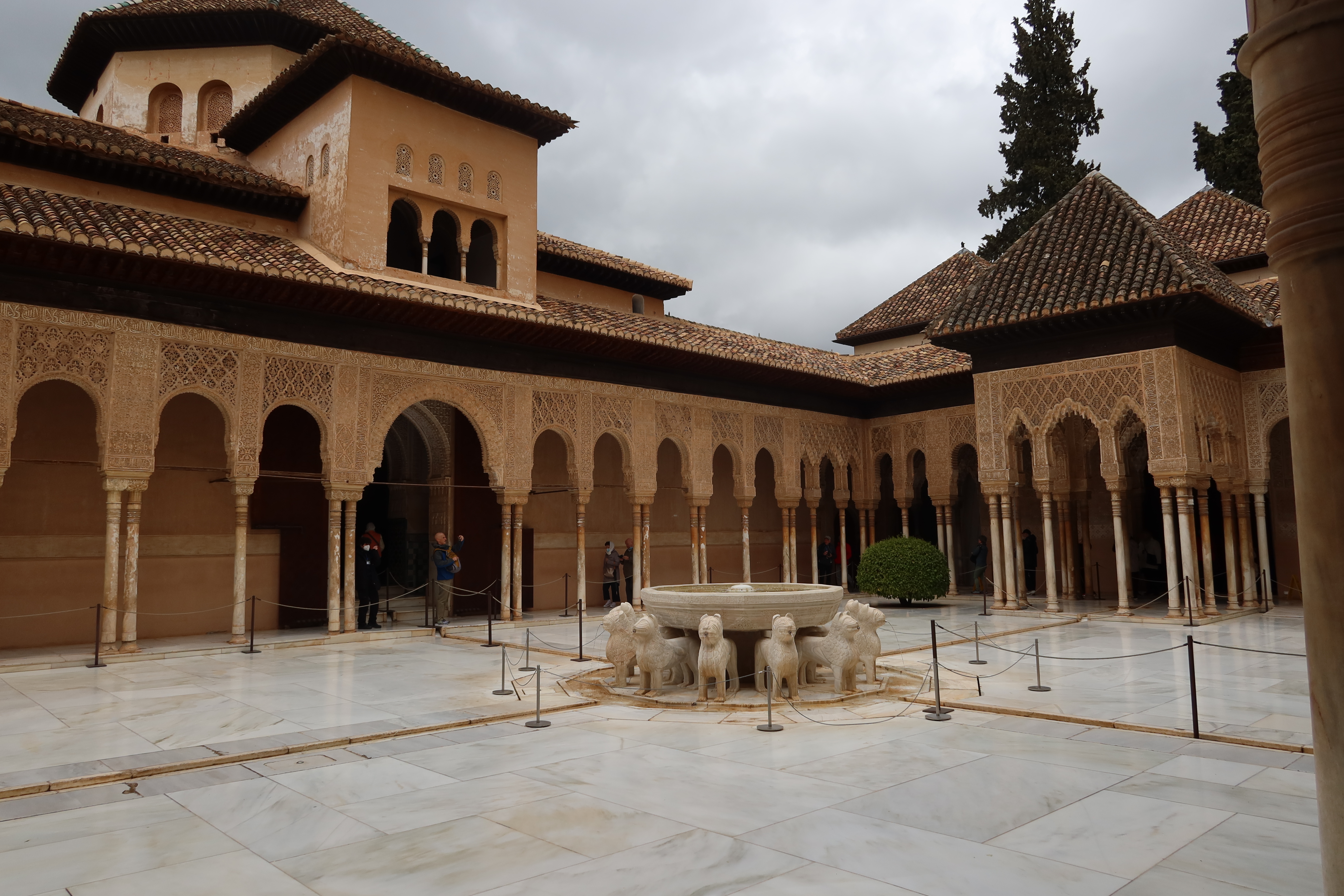
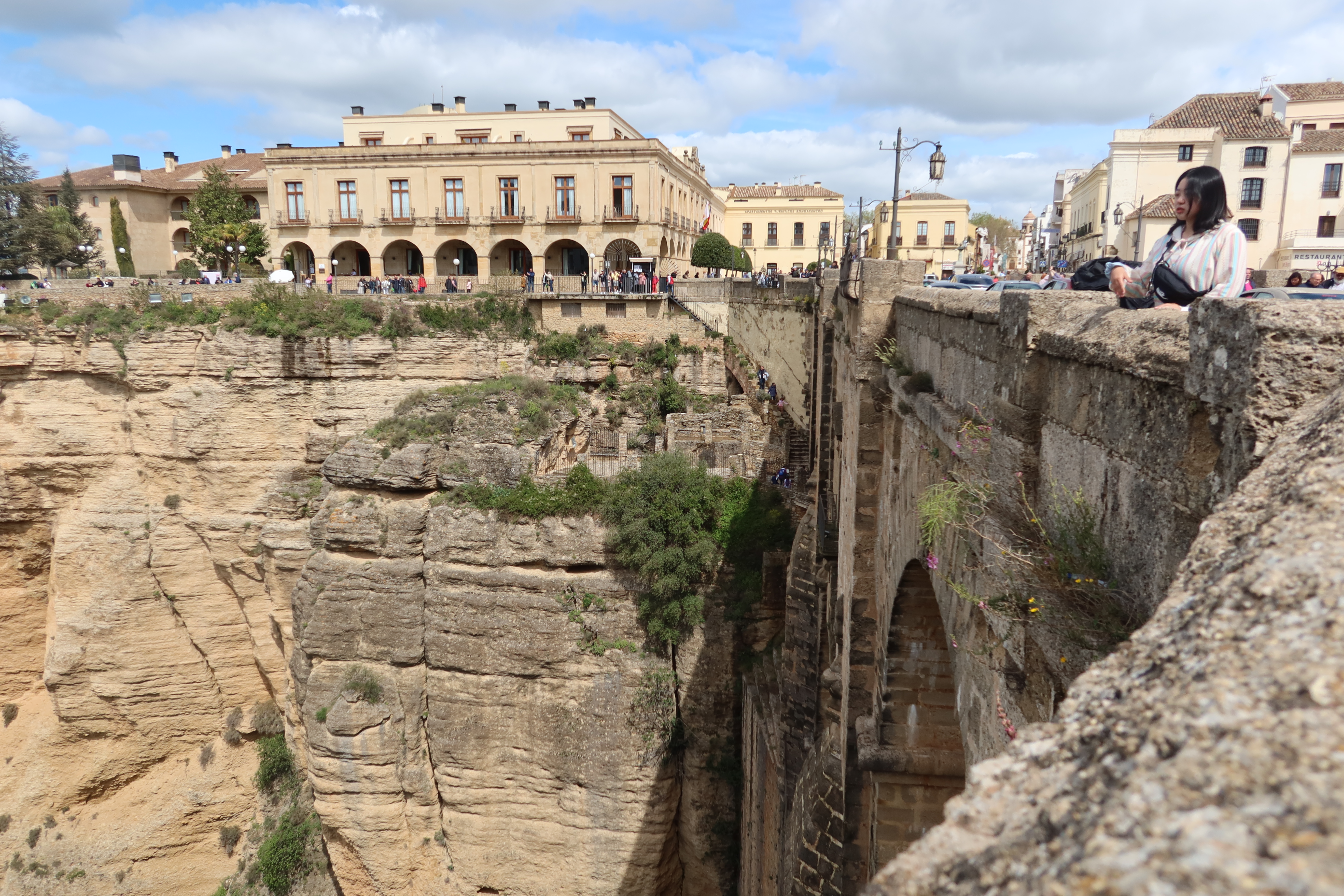
Today we explored the Alhambra complex and Geralife Gardens, a UNESCO World Heritage Site located on a rocky hill on the banks of the Darro River. Built on the remains of ancient Roman fortifications, the Alhambra became the royal palace of the Sultanate of Granada in 1333. In 1492, it became the royal court of King Ferdinand and Queen Isabella. There are three palaces: one is a fortress now in ruins, one was housing fo the Sultan and later the King and the third was originally for the Sultan’s harem. Our next stop wa Ronda, a medieval city protected by a deep gorge. An 18th century bridge connects the medieval city with the new city, one of the White Towns of Andalusia known for its whitewashed walls and red or brown tiled roofs. The bullgfighting ring here is still actively used.
April 24: Sevilla
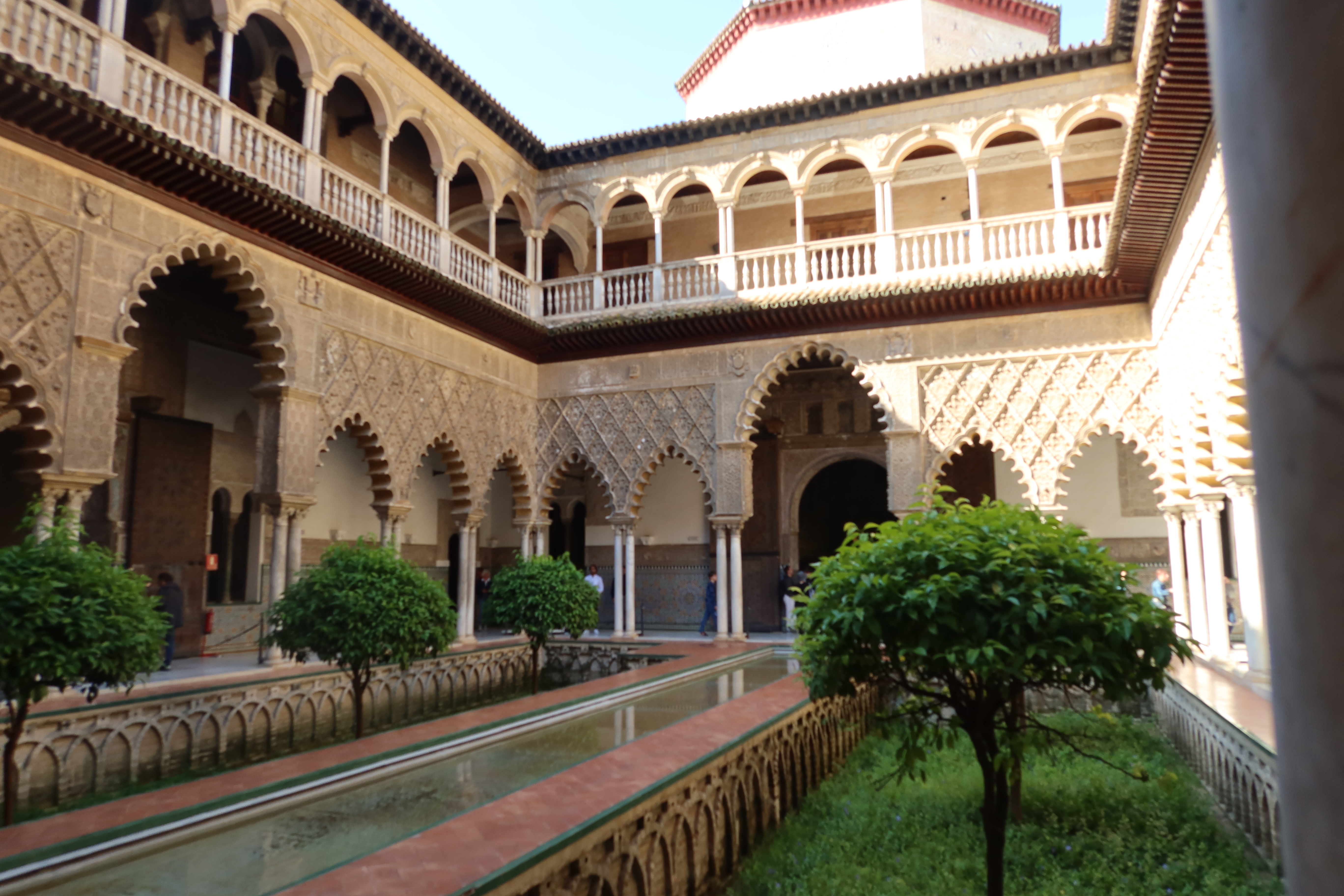
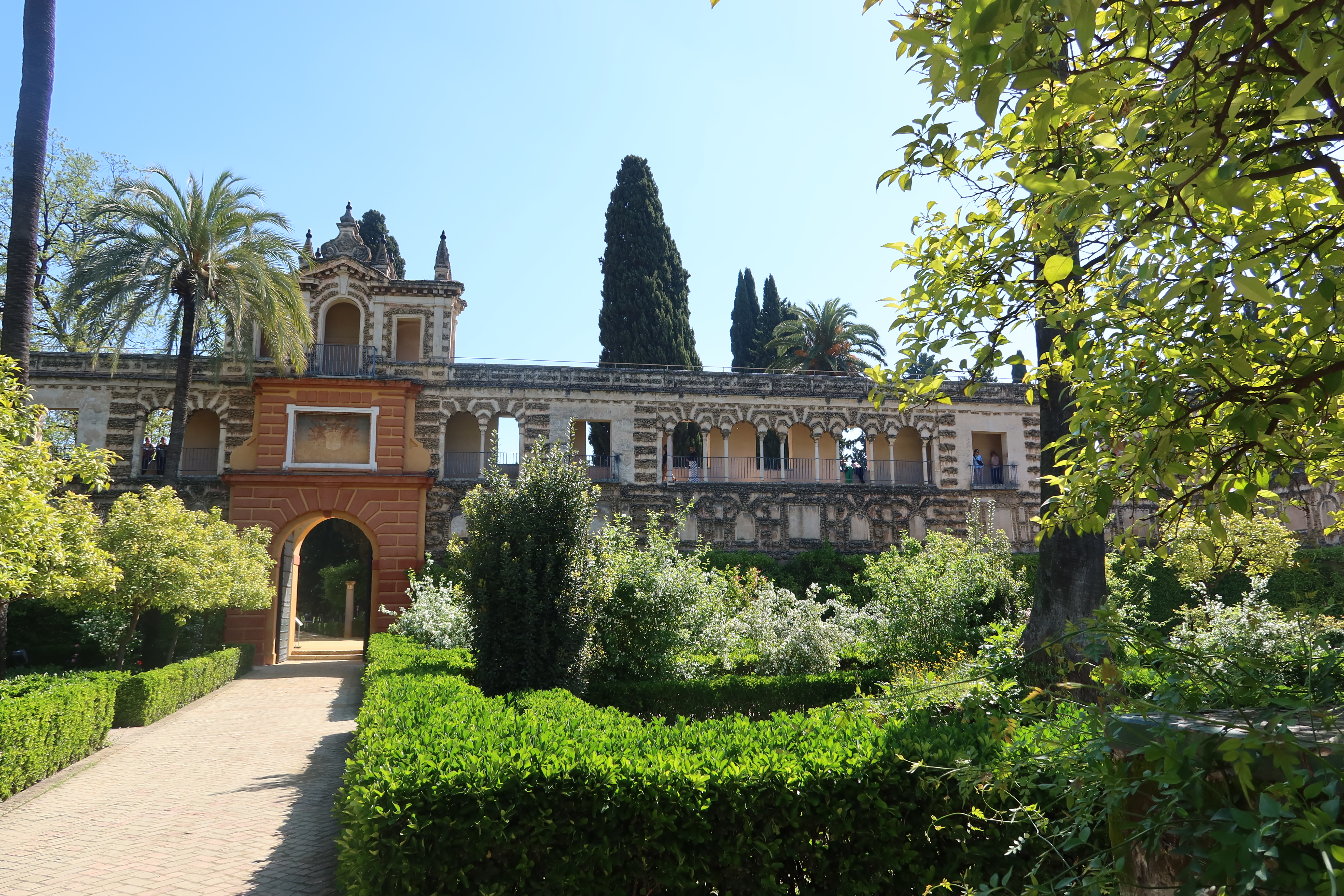
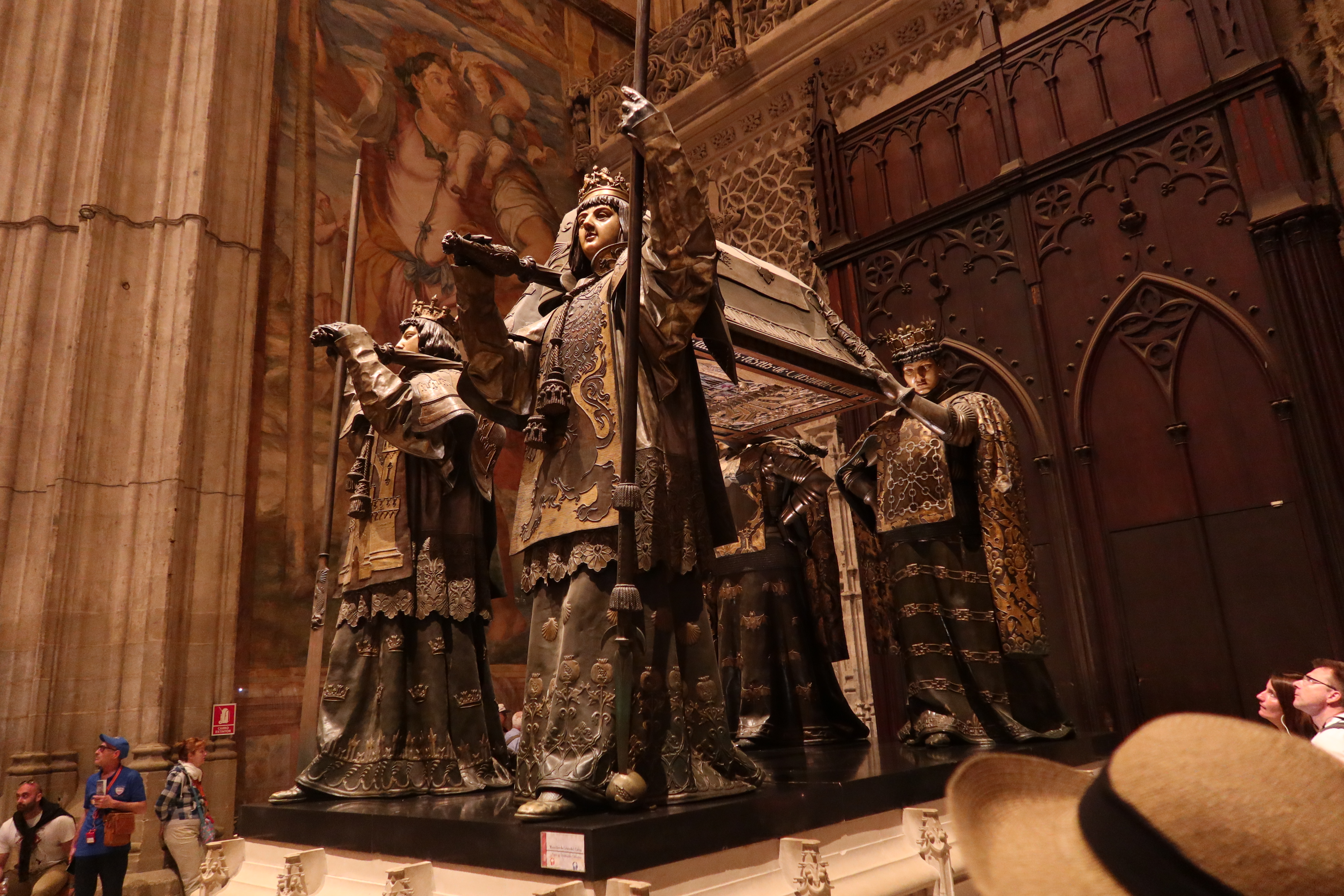
The Royal Alcazar of Seville is a UNESCO World Heritage Site that is a royal palace built for the Christian king Peter of Castile. It is built on the site of an Abbadid Muslim alcazar (a residential fortress) destroyed after the Christian conquest of Seville in 1248. The upper floors of the Alcazar are still occupied ty the royal family when they visit Seville. The Seville Cathedral is also a UNESCO World Heritage Site and is the world’s largest Gothic cathedral. Christopher Columbus is buried here. While in Sevilla we had a private Flamenco dance lesson and watched a professional show over a fabulous mean.
April 25-26: Barcelona
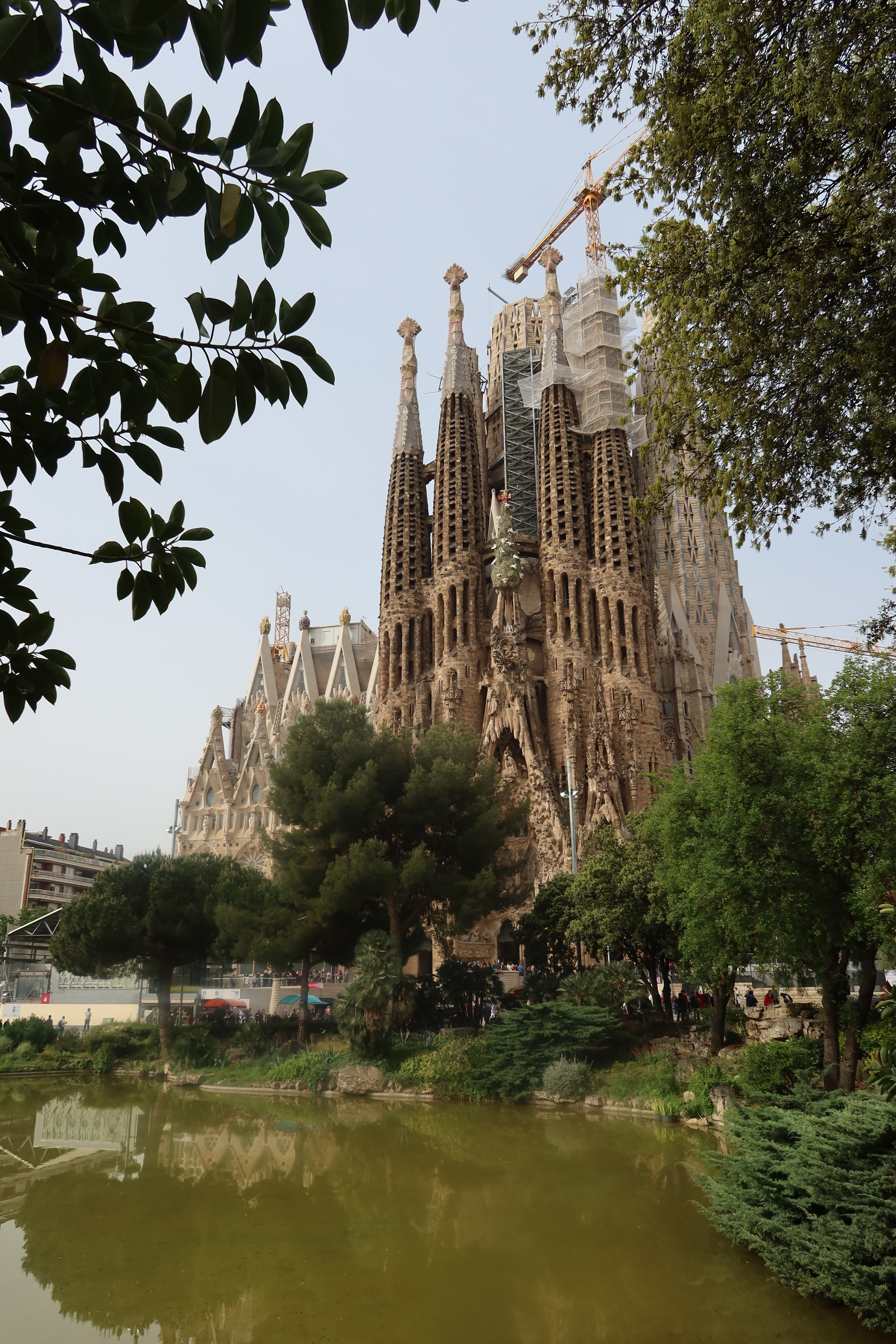
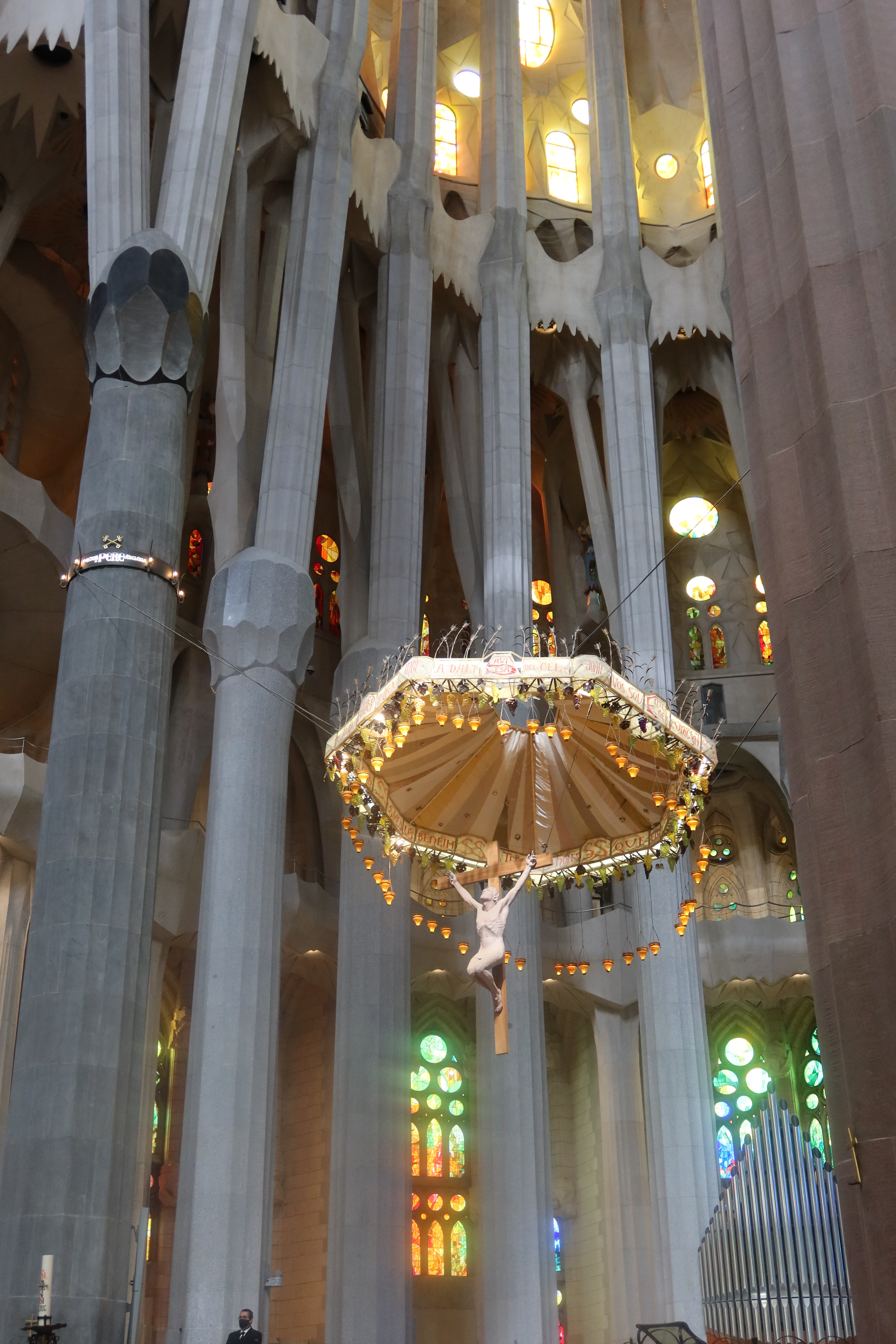
Barcelona is a lively, modern city marked by the architectural genius of Andrew Gaudi, a modernist architect. Gaudi designed the Bascilica de la Sagrada Familia in the early 1900’s. It is due to be finished in 2027, more than 100 years after Gaudi’s death. It is a UNESCO World Heritage Site and was my favorite building in Spain.
 Travel Joy